How Pests Can Impact Your Home Insurance: What You Need to Know

Warm weather in Ontario means more time outdoors and an uptick in unwanted visitors. Whether a homeowner, cottage owner, or tenant, pests like ants, wasps, raccoons, and rodents can do more than annoy you. They can cause serious damage to your property. Explore how pests can impact your home or cottage, what insurance may or may not cover, and how to help protect your space before the problem starts.

Why Summer Means More Pests

Ontario summers bring sunshine and long weekends, but they also mark the peak season for pests. As temperatures rise, insects and wildlife become increasingly active, seeking food, water, and shelter. Warmer winters and earlier springs in recent years have also extended the active season for many pests.

Some of the most frequent summer intruders include:

  • Ants – especially in kitchens and around foundations.
  • Wasps – building nests under eaves, decks, and in attics.
  • Mosquitoes – breeding in standing water like birdbaths or clogged gutters.
  • Rodents – sneaking indoors for food or nesting spots.
  • Raccoons – targeting garbage bins, attics, or crawl spaces.

These pests are a nuisance and can cause significant property damage and health risks if left unchecked.

How Pests Can Damage Properties

Pests may be small, but the damage they cause can be costly. Beyond being an eyesore or inconvenience, pest infestations can lead to serious structural issues and health risks in your home or cottage.

Structural Risks

While pests may seem like a seasonal nuisance, the structural damage they can cause is no small matter. Certain pests, like rodents and termites, are particularly destructive, often causing hidden damage that can go unnoticed until it becomes a major repair bill.

Rodents and termites are notorious for chewing through:

  • Electrical wiring – damaged wires can cause electrical fires, posing a serious safety threat.
  • Insulation – pests nesting in your walls or attics can tear through insulation, making it harder to keep your home cool or warm and driving up energy bills.
  • Wood framing and supports – chewing and burrowing can compromise key structural elements, weakening floors, walls, or support beams.

Raccoons can tear through shingles and vents to access attics, where they damage insulation, chew wires, and leave hazardous waste. Birds, especially in cottage areas, often nest in vents and chimneys, blocking airflow and increasing fire or moisture risks. Structural damage often occurs in hidden areas, such as walls or crawl spaces, making it hard to spot until already severe.

Health Risks

Pests pose serious health risks to you and your family. Many carry diseases, trigger allergic reactions, or contaminate the air and surfaces inside your home or cottage.

  • Stings and bites from wasps, mosquitoes, and ticks can cause infections, allergic reactions, or medical emergencies for sensitive individuals.
  • Rodents and raccoons may transmit diseases like leptospirosis or rabies through bites, scratches, or contact with droppings.
  • Ticks can carry Lyme disease, which causes fatigue, joint pain, and serious complications if untreated.
  • Cockroaches and droppings can contaminate food and worsen asthma or allergy symptoms, especially in children and seniors.

The longer a pest problem goes unaddressed, the more these risks increase. Staying proactive not only protects your property but also helps protect your health.

The Insurance Perspective

When it comes to pests and your home insurance, knowing your coverage is essential to avoid surprises.

Standard home insurance policies typically include sudden and accidental damage caused by events like fires or water leaks. In some cases, if a pest infestation directly leads to an issue, your policy may cover pest damage indirectly, depending on the situation and your provider’s terms.

However, most homeowners’ insurance policies do not cover damage caused by gradual wear, neglect, or ongoing pest damage, such as termite rot or long-term rodent infestations. Damage from poor maintenance or failure to address pest issues promptly is generally excluded.

Pest Prevention Tips

Keeping pests at bay starts with simple, consistent steps outside and inside your home or cottage.

Outdoor Maintenance

  • Trim trees and shrubs away from your home to reduce pest access.
  • Mow lawns regularly and remove leaf litter to eliminate hiding spots.
  • Clear standing water from gutters, birdbaths, and planters to prevent mosquito breeding.
  • Seal cracks around foundations, vents, windows, and doors, especially if you’re near wooded areas.

Indoor Preparation

  • Keep counters clean and store food properly in sealed containers to avoid attracting pests.
  • Repair window and door screens to block potential entry points.
  • Declutter crawl spaces, garages, and attics where pests may nest.
  • Regularly monitor for signs of pests, such as droppings, gnawed materials, or ant trails.

Regular Inspections

Scheduling professional pest control inspections helps catch early signs of infestation that might be easy to miss. Licensed technicians can identify vulnerable spots and signs of pest activity, and recommend targeted treatments before small issues turn into costly repairs or health hazards.

Regular inspections are especially important for cottages or homes in wooded or rural areas, where wildlife and insects are more prevalent. Professionals can also offer advice on ongoing prevention tailored to your property’s unique risks.

By combining these practical steps with expert support, you’re not only safeguarding your cottage or home but also ensuring your insurance coverage remains valid. Early detection and swift action can significantly reduce the risk of structural damage, property loss, and health concerns.

Insurance Checklist and Follow-Up

Dealing with a pest problem doesn’t end once the treatment is done. Staying organized and taking proactive steps can help protect your home and strengthen future insurance claims.

Document Everything

Keep all receipts, inspection reports, and pest control invoices. This documentation can be essential if you ever need to prove that you took reasonable steps to maintain your property. It may also support claims related to secondary damage, such as electrical fires or water leaks.

Continue to monitor for signs of re-infestation. If pests return, document the issue with photos and notes, and contact a professional as needed. Early follow-up can prevent further damage and demonstrate due diligence to your insurer.

Insurance Protection Checklist

  • Confirm coverage – contact your insurance company and ask when your policy might cover pest damage.
  • Understand exclusions – know what’s not covered, like damage from long-term infestations, gradual wear, or neglect.
  • Explore add-ons – ask about endorsements or additional coverage for wildfire intrusion, sewer backups, or environmental pollutants, which may be relevant for rural homes and cottages.
  • Meet policy requirements – routine maintenance and professional documentation can go a long way in supporting claims if pest-related issues arise.

Don’t Let Pests Catch You Off Guard

Pest problems can escalate quickly, but with regular maintenance, professional help, and proper documentation, you can stay ahead of the damage and protect your home, health, and insurance coverage.

At Oracle RMS, we offer expert guidance to help you understand what’s covered, what’s not, and how to strengthen your protection. From policy reviews to added coverage options, we’re here to help you stay prepared before pests become a costly problem.

Get in touch with Oracle RMS today and ensure your home is covered from every angle.
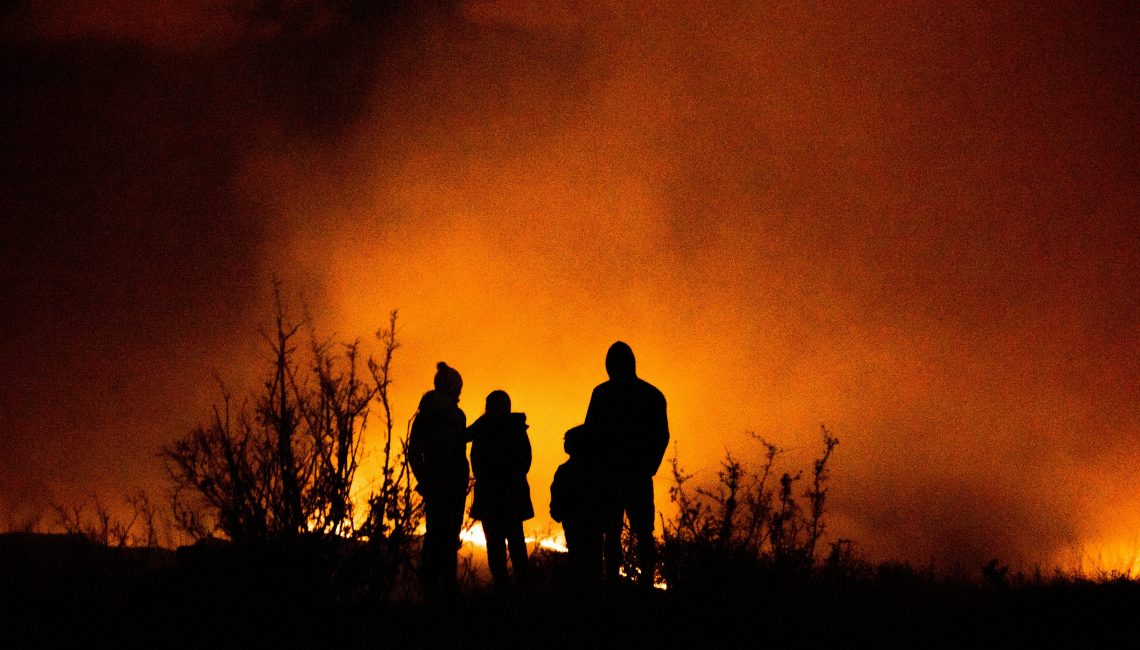
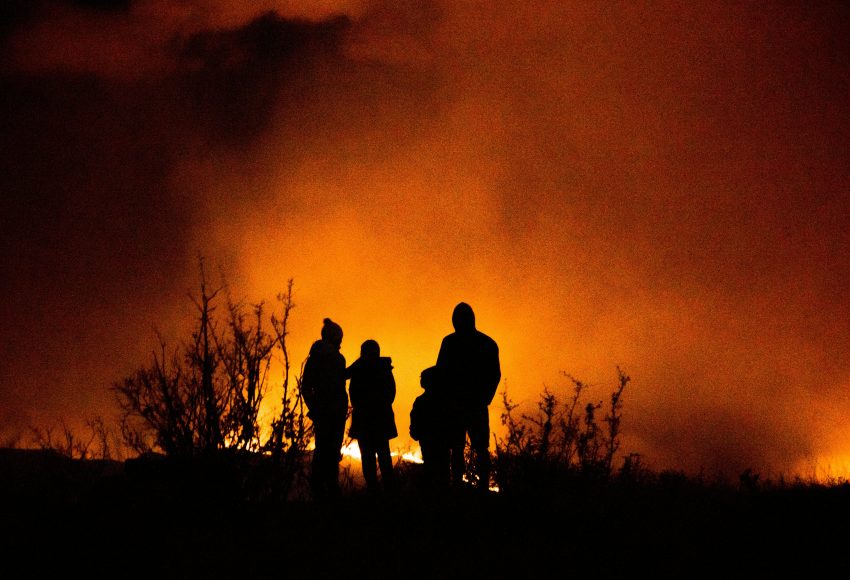
In recent years, Canada’s changing climate has provided the perfect conditions for long wildfire seasons. If you live in Ontario, you may have felt, smelled, and seen the effects of these frequent wildfires since the beginning of Spring.

Wildfire season typically runs from early April to late October. As wildfires burn through forests and grasslands, they produce smoke that becomes a significant source of air pollution for everyone in the province.

Because smoke can impact air quality in areas close to and far from a wildfire, it is important to understand how to prepare for wildfire smoke events. In this blog, we will delve into the symptoms and health effects of wildfire smoke exposure, and how you can stay informed and protected this season.

Checking The Air Quality Around You

The Air Quality Health Index (AQHI) is a scale designed to help people understand what the air quality around them means to their health and suggests actions that people can take to reduce the health impacts of air pollution.

The scale ranges from 1 to 10+. The higher the number, the greater the health risk associated with the air quality. Environment and Climate Change Canada (ECCC) monitors and reports air quality conditions and the AQHI in many locations through out Ontario.

You can find a summary of The Air Quality Health Index (AQHI) in  Ontario on this page.

Other important sources of air quality information include:

  • InfoSmog

Similar to the weather forecast, the Info-Smog program provides air quality forecasts. Two air quality forecasts are issued daily at 5 a.m. EST (forecast for today, tonight and tomorrow) and at 4 p.m. EST (forecast for tonight and tomorrow). Amendments (forecast change) are issued as necessary.

  • air quality advisories

  • special air quality statements

 This information can be found on the Canadian Weather website, the WeatherCAN app, or local weather forecasts.

Symptoms and Health Effects of Wildfire Smoke Exposure

Breathing in wildfire smoke can lead to a range of symptoms, and how serious they are can vary from person to person. Some effects are pretty common and on the milder side, while others are more serious but happen less often.

The more common, milder symptoms include things like:

  • Headaches

  • A mild cough

  • Irritation in your nose, throat, eyes, or sinuses


Often, these symptoms are manageable at home and don’t require a visit to the doctor. Less common but more serious symptoms can include:

  • Dizziness

  • Wheezing

  • Chest pain

  • A persistent or severe cough and shortness of breath

  • Irregular heartbeat (heart palpitations)


If you notice any of the more serious symptoms, it’s best to get medical attention immediately.

Preparing your Home and Vehicle for Wildfire Smoke Events

Wildfire smoke can significantly impact indoor air quality, posing health risks even inside your home or in vehicles. Taking proactive steps to prepare your home and vehicle can help reduce exposure and keep your air as clean as possible during smoke events. The Government of Canada recommends following these measures:

  • Consider purchasing 1 or more certified, properly-sized portable air cleaners for your home.

  • Replace or clean your air filters in your ventilation system or portable air cleaner according to the manufacturer’s recommendations.

  • Have extra filters for your ventilation system or portable air cleaner(s).

  • Ensure you have certified carbon monoxide alarms in your home that are in proper working order.

  • Change your vehicle’s cabin air filter regularly according to the manufacturer’s instructions to ensure your filter remains effective.


If you need more support during a wildfire smoke event, you can contact your local authorities for information on local cleaner air spaces. Always seek out local cleaner air spaces to take a break from the smoke.

As wildfire seasons grow longer and more intense, staying informed and prepared is more important than ever. By understanding the health impacts of wildfire smoke and taking steps to protect your indoor air quality, you can help safeguard yourself and your loved ones. Stay alert, follow local advisories, and take action early to minimize the risks of smoke exposure.


Summer is prime time for travel, with Ontarians jetting off abroad or discovering new spots closer to home. But amid the excitement of booking flights and packing bags, travel insurance often slips through the cracks–until it’s urgently needed. From unexpected medical emergencies to delayed flights or lost luggage, the right travel insurance can protect your plans and provide peace of mind. Before you go anywhere this year, ensure you’re protected to explore confidently and enjoy your travels.

What Is Travel Insurance?

Travel insurance is a type of protection that helps cover unexpected events that can happen before or during your trip. It can save you from costly surprises, such as needing emergency medical care, canceling your vacation at the last minute, or losing your luggage along the way.

Depending on your plan, travel insurance may cover:

  • Medical emergencies while traveling
  • Trip cancellations or interruptions
  • Lost, stolen, or delayed baggage
  • Travel delays and missed connections
  • Accidents and emergency evacuation

Coverage depends on whether you’re traveling within Canada or abroad. While your provincial health plan may offer limited support for travel within the country, it won’t cover everything, especially when it comes to emergency medical expenses. Once you’re outside Canada, that coverage becomes even more limited or nonexistent. That’s why having the right travel insurance is essential to protect yourself wherever your journey takes you.

Why Travel Insurance Matters More in Summer

Summer is one of the busiest travel seasons, which means crowded airports, fuller flights, and a higher chance of things going wrong. Increased travel volume often leads to more delays, lost baggage, and overbooked accommodations, turning an exciting getaway into a stressful situation.

Seasonal risks also play a role in needing more protection. Summer-related claims often include flight disruptions due to storms or wildfires, heat-related illnesses, and other weather-related emergencies that can derail your plans.

If you’re traveling outside of your province or abroad, medical care can be expensive, especially without proper coverage. A single emergency room visit or hospital stay can quickly turn into thousands of dollars out of pocket. It’s essential to purchase travel insurance to protect your vacation and wallet, regardless of where you’re going.

Key Types of Travel Insurance Coverage

Not all travel insurance is the same. Here are the most common coverages that can help protect you from unexpected issues during your travels.

Emergency Medical Insurance

This covers the cost of emergency medical treatment if you get sick or injured while traveling. Travel medical insurance is especially important when traveling outside your province or country, where healthcare costs can be high and not covered by your provincial government health insurance plan.

Trip Cancellation & Interruption Insurance

Trip cancellation and interruption insurance help reimburse non-refundable travel expenses if you need to cancel or cut your trip short from illness, injury, family emergencies, or natural disasters.

Baggage Loss & Delay Insurance

This coverage provides compensation if your luggage is lost, stolen, or delayed, helping you replace essential items and avoid added stress during your trip.

Travel Accident Insurance

Travel accident insurance offers financial protection in the event of accidental death or serious injury while traveling.

Rental Car Damage Protection

If you plan on renting a car, it covers damage or theft to the rental vehicle. It can help you avoid paying out-of-pocket or relying solely on credit card coverage, which may be limited.

Travel Assistance Services

This offers practical help when you need it most, such as finding medical care, replacing lost documents like your passport, or arranging emergency transportation home.

Who Should Get Travel Insurance

Travel insurance isn’t just for international jet-setters. It’s for anyone who wants peace of mind on vacation. No matter your travel style or destination, unexpected events can happen. Here’s who should consider getting coverage:

  • Solo travelers: Traveling alone means you’re solely responsible if something goes wrong. Travel insurance can help you stay protected without backup.
  • Families: There’s more at stake when you’re traveling with kids. From minor illnesses to lost bags or canceled plans, family-friendly coverage helps keep everyone safe.
  • Seniors and snowbirds: As you age, the risk of medical emergencies increases, especially when traveling for extended periods. Specialized travel insurance can help cover pre-existing medical conditions and out-of-country care.
  • Students studying abroad: Being far from home comes with added risks. Travel insurance can help cover medical costs, trip interruptions, or emergency travel home.
  • Road-trippers within Canada: Even if you’re staying within the country, your provincial health plan may not cover everything in other regions. Travel insurance fills those gaps and can also help with trip cancellations or unexpected delays.

How to Choose the Right Travel Insurance

Choosing the right travel insurance starts with understanding your trip needs. The right coverage depends on factors like:

  • Destination: Medical costs and travel risks vary between countries and provinces.
  • Trip duration: Longer trips may require extended coverage or more comprehensive protection.
  • Type of trip: Are you going on a cruise, backpacking, a family vacation, or a business trip? Different trips have different risks.
  • Existing health conditions: Ensure your plan covers pre-existing conditions or medications you may need.

You also want to decide between a single-trip plan and a multi-trip plan, which is ideal if you travel frequently throughout the year.

Not sure what you need? That’s where Oracle RMS comes in. Our experienced advisors take the guesswork out of travel insurance by helping you compare options for your travel style, budget, and health needs.

How Much Does Travel Insurance Cost?

Travel insurance costs vary based on your destination, trip length, age, type of coverage, and existing health conditions. Generally, the price reflects the level of protection you choose and the risks involved in your trip.

While it’s an additional expense upfront, travel insurance can save you significant money and stress if unexpected events occur. Think of it as an investment in peace of mind, protecting you from costly surprises so you can fully enjoy your travels.

Get Covered Before You Travel

The best time to secure travel insurance is before you start your trip planning. Early coverage ensures you’re protected from unexpected events, whether it’s a sudden illness, travel delays, or cancellations.

At Oracle RMS, we’re here to help you navigate your options and select the travel insurance plan that fits your unique needs. Our expert advisors provide personalized guidance, so you get the right coverage.

Don’t wait until it’s too late. Get peace of mind today and travel with confidence.

Get a travel insurance quote, or contact us to learn more about your options. Your perfect trip starts with the right protection.

CONCORD, Ontario & BOSTON–(BUSINESS WIRE)–Oracle Insurance Risk Management Services Inc. (“Oracle RMS” or “the Company”), an award-winning commercial and personal lines insurance brokerage, is pleased to announce that it has finalized a strategic investment from Boston-based private equity firm Abry Partners (“Abry”). This collaboration marks a significant milestone in Oracle RMS’s journey as it prepares for its next phase of growth and expansion.

Founded in 2011 by John Ferraro and Michael Di Nardo and headquartered in Ontario, Canada, Oracle RMS has grown into one of Canada’s largest independent brokerages, serving over 60,000 customers through nearly 40 locations and over 300 dedicated insurance professionals. The Company was built on the vision of delivering independent, expert advice tailored to the unique needs of its client while creating a workplace where the industry’s most talented and entrepreneurial brokers can thrive – a commitment that continues to drive its success today.

Oracle RMS’s leadership team retains significant equity ownership and will continue to lead the business during its next phase of growth. Abry’s investment and strategic support will enable Oracle RMS to scale the resources it provides to producers and branches, enhance its partnerships with capacity markets, and pursue strategic M&A opportunities that complement the Company’s distinguished and entrepreneurial culture.

“This partnership with Abry Partners marks an exciting new chapter for Oracle RMS,” said John Ferraro, CEO of Oracle RMS. “Abry’s investment is a strong vote of confidence in the exceptional talent of our people, the strength of our proven business model, and our long-term vision for growth across Canada.”

Abry, a leading middle-market private equity firm with deep expertise in the insurance distribution sector, has a proven track record of supporting high-performing retail brokerage platforms across North America. This investment reinforces Abry’s institutional commitment to insurance services and marks its entry into the Canadian insurance distribution market.

“We were highly impressed by Oracle RMS as a business, but even more-so by its people and culture,” said David Coneway, Principal at Abry. “The Company embodies the client-first ethos and entrepreneurial spirit that have long defined exceptional brokers and combines it with a passion for meeting the evolving needs of its valued insurance markets. We are thrilled to partner with John and Mike to further support their growth.”

Michael Di Nardo, President of Oracle RMS, stated, “With Abry’s support, we are well-positioned to accelerate the expansion of our branch and producer network. This partnership empowers us to serve more communities across Canada while continuing to strengthen the Oracle RMS brand both locally and nationally.”

“Abry has a long history of scaling insurance distribution platforms into perennial market leaders,” added Nathan Ott, Partner at Abry. “Oracle RMS represents the continued evolution of our thesis in the retail brokerage market. We look forward to building a fully integrated, growth-oriented platform that empowers its producers and branches through scalable infrastructure and differentiated support.”

KPMG Corporate Finance Inc. served as exclusive financial advisor to Oracle RMS.

About Oracle RMS

Oracle RMS is an award-winning insurance brokerage servicing clients throughout Ontario, Canada. Michael Di Nardo and John Ferraro, the founders, have assembled a powerhouse of insurance professionals who are committed to providing customers with exceptional service and risk protection.

Our services include home and auto insurance, commercial insurance, life insurance, and group benefits for corporations. We pride ourselves on always providing our clients with outstanding customer service and going above and beyond for every single client.

About Abry Partners

Abry Partners is one of the most experienced and successful sector-focused private equity investment firms in North America. Since its founding in 1989, the firm has completed over $90 billion of leveraged transactions and other private equity or preferred equity placements. Currently, the firm manages $17 billion of assets across several fund strategies.

Contacts

Oracle RMS
marketing@oraclerms.ropstam.dev

Abry Partners
FGS Global
Abry@fgsglobal.com

Why Your Pool and Spa Construction Business Needs Insurance

Whether you’re installing an inground swimming pool or a cozy hot tub, your work as a pool and spa contractor brings a whole lot of enjoyment to your customers, but it also comes with some serious risks. From accidental property damage to workplace injuries to allegations of non-compliance with local ordinances, these incidents can significantly impact your bottom line.

Imagine completing a beautiful pool installation, only to face a lawsuit due to a client’s injury on-site. Or consider the financial strain if specialized equipment is stolen or damaged. Unfortunately, these scenarios aren’t just hypothetical. These are real risks that pool and spa contractors often face.

Let’s dive into why spa and swimming pool contractor insurance isn’t just a good idea but a must-have for your pool and spa construction business.

Types of Risks that Spa and Pool Contractors May Face

Working in the pool and spa construction industry isn’t without its challenges. Between tight timelines, complex installations, and heavy-duty equipment, contractors in this space face a unique set of risks every day, both on and off the job site. Let’s go over some of the more common risks you might face as a pool and spa contractor:

Workplace Injuries

Construction sites can be hazardous, especially when working outdoors in the summer or dealing with wet surfaces. You’re looking at possible:

  • Slips, trips, and falls
  • Heat exhaustion
  • Equipment-related accidents

These incidents can lead to costly workers’ compensation claims and lost productivity.

Property Damage

Whether it’s accidentally damaging a client’s landscaping or cracking a patio during an installation, even small mistakes can result in expensive property damage claims. Your work could impact nearby structures, underground lines, or even utility systems if you’re not careful.

Equipment Theft or Damage

Pool and spa contractors often rely on expensive, specialized tools. Unfortunately, job sites and trucks can be targets for theft, especially when left unattended overnight. Equipment can also be damaged during transport or by harsh weather conditions.

Legal Liability

You could also face disputes that could lead to lawsuits over things like:

  • Project delays
  • Building code violations
  • Allegations of poor workmanship

Without proper liability coverage, these legal challenges can put your business finances and reputation on the line.

How Insurance Can Help Your Pool and Spa Business

Insurance isn’t just about meeting legal requirements. It’s also about protecting everything you’ve worked hard to build. Unexpected events can happen at any time, from a job site injury or a client claim to stolen tools or weather damage to materials. Any one of these could seriously disrupt your business and cash flow. That’s where comprehensive pool and spa insurance coverage comes in.

A tailored insurance policy can protect your pool and spa contracting business from third-party claims of injuries or property damage, theft, vandalism, employee injuries, collision, and more. It can even protect you from delays or disasters that force you to stop working temporarily.

Having insurance helps keep your business moving, even when the unexpected hits. It’s peace of mind that lets you focus on doing great work, without worrying about what could go wrong.

Types of Insurance Pool and Spa Contractors Need and Why

When you’re in the business of building pools and spas, protecting your crew, equipment, and reputation is just as important as the quality of your craftsmanship. From job site risks to transportation mishaps, the right insurance policies can help your business stay afloat. Here’s a closer look at the types of insurance every pool and spa contractor should consider:

Commercial General Liability Insurance

This is the foundation of most contractor insurance packages. It helps cover third-party claims for bodily injury and property damage, as well as your legal fees if you’re facing a lawsuit. If a customer trips over your equipment or claims your work caused damage to their property, general liability coverage can help cover the expenses.

Commercial Property Insurance

Whether you own a workshop, warehouse, or even just an office space, commercial property insurance protects the physical location (and everything inside it) against losses due to fire, theft, vandalism, or weather-related damage.

Business Interruption Insurance

What happens if a fire, flood, or other event forces you to temporarily shut down? Business interruption insurance can help cover lost income, rent, payroll, and other fixed expenses while you get back on your feet. This is often included in commercial property coverage, but it can be added separately.

Tools & Equipment Insurance

Your tools are essential for your work. This policy helps cover the cost to repair or replace specialized equipment and tools if they’re lost, stolen, or damaged, whether they’re on-site, in storage, or in transit.

Errors and Omissions (E&O) Insurance

Even with years of experience, mistakes can happen. E&O insurance, also known as professional liability insurance, protects you against claims of professional negligence, such as design flaws, failure to meet code requirements, or project delays that result in financial loss for a client.

Commercial Auto Insurance

If your team uses vehicles to haul materials, equipment, or get to job sites, personal auto insurance won’t cut it. Commercial auto insurance provides coverage for accidents, damage, and liability involving your business vehicles.

Installation Floater Coverage

Whether your materials are on the job site, in transit, or halfway through installation, they’re always at risk of being damaged or lost. The problem is that even if you don’t technically own those materials, you’re still on the hook for them if something goes wrong. Installation floater coverage helps protect materials while they’re being delivered, stored, or installed.

Workers’ Compensation Insurance

Installing pools and spas often involves physically demanding work, which means the risk of employee injury is real. Workers’ comp helps cover medical bills, lost wages, and rehabilitation costs if one of your employees is hurt on the job. In Ontario, most businesses are required to have it.

Additional coverages to consider

  • Inland Marine Insurance
  • Builders Risk Insurance
  • Cyber Liability Insurance
  • Pollution Liability Insurance
  • Leased, Rented, Borrowed Equipment Insurance

Get Tailored Pool and Spa Insurance Today with Oracle RMS

Pool and spa insurance is essential for anyone in the business of designing, building, or installing pools, spas, and hot tubs. While your focus is on creating relaxing, enjoyable spaces for your clients, it’s just as important to protect your business from unexpected disruptions and costly risks. Choosing Oracle RMS for your pool and spa insurance needs means you’re backed by coverage designed specifically for your industry.

So, if you’ve ever asked yourself, “Do I really need pool and spa insurance?” consider this: could your business afford to cover the costs of property damage, equipment loss, or a client lawsuit out of pocket? If the answer is no, there’s no reason to wait.

Get your free pool and spa insurance quote in Ontario from Oracle RMS today.

How To Protect Your Cottage From Any Damage

Whether it’s a cozy cabin tucked in the woods or a fully loaded chalet with all the bells and whistles, your cottage is your escape. It’s where cottage owners go to unwind, soak in the views, and enjoy the outdoors.

But no matter what time of year it is, there are many things that can happen to your cottage. Things like theft, vandalism, fire, and water damage are major risks for cottage owners. That’s why having the right insurance coverage matters. It means you can kick back and relax, knowing your home-away-from-home is protected.

But while insurance can help you recover after something happens, there are things you can do to help prevent events from happening in the first place. Here are some helpful tips on how to protect your cottage this summer.

Lock everything up when you’re away

A cottage is a great place to get away for a while, but it’s likely that you won’t be there for the whole summer. This means it may be sitting vacant for a good portion of the year. So, while it might seem obvious, we feel it’s worth repeating: lock up everything before you leave the cottage. That includes not just your front and back doors, but also windows, sheds, garages, and any outbuildings on the property. And if you have any outdoor furniture, be sure to put it into storage as well.

Thieves or vandals often look for easy targets, and an unlocked window or shed can be all it takes to invite trouble. While your cottage insurance may protect against things like theft and vandalism, preventing it in the first place can help you avoid having to deal with your insurance or risk an increase in your premiums.

Installing a basic alarm system or motion-sensor cameras can also add an extra layer of security and act as a strong deterrent when you’re not around.

Plus, locking up isn’t just about theft. A left-open window can invite in animals or pests, and it can ruin your belongings from weather damage.

Reduce your risk of fires

Fires can spread quickly, especially in rural or wooded areas where many cottages are located. While cottage insurance typically covers fire, it’s important to do your best to prevent it.

Start by testing your smoke detectors. It’s a good idea to replace the batteries at the start of each season. If you use a wood stove, fireplace, or fire pit, make sure you never leave a fire unattended and that you keep a fire extinguisher close by. Also, store any firewood away from the cottage.

It’s important to keep your property tidy, too. Things like dry twigs, piles of dead leaves, and tall, dry grass can all act as fuel if a spark from your bonfire lands on them. So make sure you maintain your yard by raking up debris after storms and mowing regularly, especially during hot, dry stretches.

Many cottage fires are caused by electrical issues, so make sure to inspect your electrical systems. Look for any exposed wiring, especially outside, where a squirrel may decide to nibble on it. Also, avoid overloading outlets and unplug small appliances when you’re not using them or are heading home.

Inspect your heating and plumbing

Even during summer, your cottage’s heating and plumbing systems need attention. Before your first visit of the season (and periodically throughout), you’ll want to check for any signs of leaks, corrosion, or damage. Next, look over any exposed pipes for cracks and make sure your water heater is working properly. If your cottage uses a furnace or wood stove, make sure you inspect the vents and chimneys to ensure they’re clean and there aren’t any obstructions.

Small issues can quickly escalate if left unchecked, especially if your cottage sits empty for stretches of time. A cracked pipe can quickly turn into a flooded cottage. Regular inspections can help prevent costly repairs and unnecessary insurance claims.

Inspect your roof and foundation

Your roof and foundation are your cottage’s first line of defence against the elements. At the start of the season, and after any major summer storms, use a ladder to inspect your roof and look for signs of damage or wear, such as:

  • Missing shingles
  • Sagging areas
  • Clogged gutters

For the foundation, take a walk around your property and look for signs of water pooling near the base of your cottage.

Inside, check for water stains on the ceiling or cracks in the walls or floors.

While cottage insurance can help cover the costs for water damage due to a leak in the roof or foundation caused by something like a severe storm, it does not cover damage due to neglect. That’s why it’s important to spot these signs early and have them taken care of.

Storm-proof your property

Speaking of summer storms, you’ll also want to storm-proof your property as much as possible. Start by trimming back overhanging or broken tree branches that could fall on your roof or power lines. Installing shutters can help protect your windows from flying debris. And speaking of flying debris, you may also want to secure any outdoor deck furniture, umbrellas, and other loose items that could become dangerous in high winds.

Check on your sump pump to make sure it’s working (if you have one), and check that your gutters and downspouts are clear so that they can properly direct water away from your foundation. While cottage insurance will protect your home from certain types of water damage, like a burst pipe, it may not cover flooding due to sewer backup or heavy rainfall.

It’s also a good idea to keep flashlights, extra batteries, and a basic emergency kit on hand, just in case the power goes out during a storm.

Review your cottage insurance coverage

Finally, another way to protect your cottage this summer is by ensuring you have the right coverage in place. While cottage insurance, like home insurance, isn’t legally required in Ontario, it’s essential for cottage owners. It can help cover you if your property is damaged by fire, storms, or theft, and it may also include liability protection if a guest gets injured on your property. It can also cover the contents inside, like your furniture, clothing, electronics, or seasonal gear.

So, if you already have a policy, now’s a great time to review it. For example, have you added new equipment or did you make any upgrades over the past year? If so, your coverage might need an update. And if you don’t have cottage insurance yet, contact the team at Oracle RMS for a free cottage insurance quote. We can help you find the right coverage at the right price for your needs.

Your 2025 Guide to Firework Safety

Summer is in full swing, and with Canada Day fast approaching, celebrations across the country will soon light up the sky. Fireworks are a cherished tradition, bringing excitement, colour, and joy to backyard gatherings and community events. But before you strike the match, it’s essential to think beyond the spectacle.

Lighting fireworks without proper precautions can lead to severe injuries, fires, and costly property damage. Dry conditions, proximity to flammable materials, or even using fireworks incorrectly can turn a celebration into a crisis.

Whether you’re planning a small family display or attending a neighbourhood event, understanding fireworks safety tips is key. From choosing the right location to handling malfunctioning fireworks, this guide walks you through everything you need to know. It’s not just about staying within the law – it’s about protecting the people and places you care about most.

Celebrate with confidence. Follow these expert tips to keep your festivities fun, safe, and fire-free.

Understanding the Risks of Fireworks

While fireworks are thrilling, they also come with significant risks. Every year, Canadians suffer injuries from fireworks-related injuries from lighting them improperly or standing too close to active displays. Common injuries include burns, eye damage, and hand trauma. Many of these injuries can lead to permanent disability or require extensive medical treatment.

Beyond personal injury, fireworks also pose a serious fire hazard. One stray spark can ignite dry grass, trees, or nearby buildings. In fact, during the summer months, local fire departments often see an increase in emergency calls linked to backyard fireworks displays.

It’s crucial to remember that fireworks are explosive devices, not toys. Treating them with the same caution as any flammable material is key to enjoying your summer celebrations safely.

Legal Considerations in Canada

Fireworks regulations vary across federal, provincial, and municipal levels, meaning what’s permitted in one region may be restricted in another.

At the federal level, Natural Resources Canada regulates the classification and sale of fireworks. Only licensed vendors are authorized to sell consumer fireworks, and buyers must typically be at least 18 years old. Provinces may impose additional restrictions, including bans during high fire-risk periods.

On the municipal level, many cities and towns have their bylaws governing when and where fireworks can be used. For example, some municipalities allow fireworks only on specific dates, like Canada Day, while others require permits for personal displays or prohibit fireworks altogether.

Failing to follow local rules can lead to hefty fines, confiscation of fireworks, and even liability for property damage or injury. Always check your city or town’s website for up-to-date bylaws and safety requirements before purchasing or using fireworks. Doing your due diligence helps keep your celebration safe, legal, and worry-free.

Preparing to Light Fireworks Safely

Before lighting fireworks, preparation is everything. Start by purchasing only legal, consumer-grade fireworks from licensed and reputable vendors. Avoid buying fireworks from unregulated sellers, as these products may not meet Canadian safety standards and could malfunction.

Store fireworks in a cool, dry place that’s well out of reach of children and away from any sources of heat or ignition. Keep them in their original packaging until you’re ready to use them.

When it’s time to celebrate, choose a wide, open outdoor area that’s away from buildings, trees, dry grass, or other flammable materials. A clear site ensures that fireworks have room to function safely and that sparks or debris don’t catch anything unintended.

Always have fire suppression tools ready, such as a bucket of water, a hose connected to a water source, or a fire extinguisher, just in case something goes wrong. It’s also smart to have a first aid kit on hand.

Before lighting fireworks, carefully read the instructions printed on each one. Follow them precisely to reduce the risk of accidents. And remember, children and pets should remain at a safe distance throughout the display. Loud noises and sudden flashes can frighten animals and distract you while handling fireworks.

Taking these simple steps will help ensure your celebration remains fun, safe, and memorable for the right reasons.

Safe Practices When Lighting Fireworks

When it comes to fireworks safety, how you handle them matters just as much as where and when you use them. Following the right procedures can make all the difference between a successful celebration and a dangerous mishap.

Start by designating a sober, responsible adult to light the fireworks. This person should be calm, focused, and prepared for emergencies. Wearing safety glasses and gloves is highly recommended to protect your hands and eyes from sparks or accidental explosions.

Light fireworks one at a time, following the manufacturer’s instructions, and back away immediately after ignition. Never attempt to relight a failed firework. If a firework doesn’t go off, wait at least 20 minutes and then soak it thoroughly in water before disposing of it.

Never hold fireworks in your hands while lighting them. Place them on a flat, stable surface away from your body and others. Ensure all spectators remain at least 20 meters away from the firing zone, especially children and pets who may be more vulnerable to injury or panic.

Once the show is over, it’s important to clean up responsibly. Soak used fireworks in water before discarding them in a metal container. It helps prevent delayed ignition or fires in trash bins. You can create a fireworks safety checklist to guide your setup and procedure. This should include safety gear, emergency tools, and steps for lighting and cleanup.

What to Do in Case of an Emergency

When using fireworks outdoors, being prepared for emergencies is just as important as having fun. Accidents can happen, especially with malfunctioning fireworks, so it’s crucial to respond quickly and safely.

If someone suffers a burn, immediately cool the area with clean, cool (not cold) water for at least 10 minutes. Do not apply ointments or ice. For eye injuries, avoid touching the eye and seek professional medical attention without delay.

Call 911 if an injury is serious, someone is unresponsive, or a fire breaks out. In case of a fire, follow basic fire safety principles: use a hose, bucket of water, or fire extinguisher to control small flames, but evacuate if the fire spreads or becomes unmanageable.

Keep a first aid kit and emergency numbers easily accessible during your fireworks event. Preparation is key to ensuring your outdoor celebration stays safe and under control.

Fireworks and Insurance: What You Need to Know

Before you purchase fireworks, it’s important to understand the potential impact on your home insurance. Fireworks are fun, but when used improperly, such as attempting to throw fireworks, setting them off too close to structures, or ignoring safety guidelines, they can cause fires, injuries, and significant property damage. In these cases, your insurance provider may not cover the costs, especially if fireworks were used in violation of local laws or safety standards.

Fireworks are regulated under consumer product safety laws, meaning there are clear expectations around their handling and use. Failing to follow these regulations could lead to liability for damage to your home or your neighbour’s property.

Take the time to check with your insurance provider to understand what is and isn’t covered. Whether you’re at home, heading to the cottage, or travelling, it’s worth reviewing your home, cottage, or travel insurance policy in advance.

Celebrate smart – plan ahead, stay safe, and enjoy fireworks outdoors responsibly. Protect your loved ones, pets, and property while making the most of the season.

Need help to understand your coverage? Contact Oracle RMS today to ensure you’re fully protected before your next celebration.


Top Tips and Tricks to Fight Heat Related Illnesses

Summer brings sunshine and longer days, but it also comes with rising risks, especially when it comes to heat exhaustion and other forms of heat illness. As temperatures climb, our bodies work harder to stay cool, and prolonged exposure to high heat can quickly become dangerous. From heat cramps to heatstroke, knowing how to recognize and prevent these conditions is essential. Whether you’re working outdoors or enjoying a day in the sun, these tips will help you stay safe, cool, and prepared.

Sip Smart: Stay Hydrated

In extreme heat, staying hydrated isn’t just about comfort – it’s about protecting your health. Dehydration is one of the leading causes of heat exhaustion and other severe heat-related illnesses. To keep your body functioning properly and help regulate your internal temperature, it’s important to hydrate early, often, and wisely.

Here are some key hydration tips to help you stay safe in extreme heat events:

  • Drink water regularly: Don’t wait until you feel thirsty. Sip water consistently throughout the day and keep your hydration levels steady.
  • Increase fluid intake during outdoor activities: If you’re working, exercising, or spending extended time outside, drink at least one cup (250 mL) every 15-20 minutes.
  • Start your day with water: Drink a glass of water first thing in the morning to jumpstart your hydration before the heat kicks in.
  • Choose water over sugary drinks: Beverages like soda, energy drinks, and sweetened juices can contribute to dehydration.
  • Limit alcohol and caffeine: Both are diuretics that can increase fluid loss, putting you at a greater risk of heat-related illness.
  • Eat water-rich foods: Add hydration foods to your meals, such as watermelon, cucumber, oranges, and strawberries.
  • Carry a reusable water bottle: Keep it with you at all times, so you can take regular sips, especially when on the go.

Don’t underestimate the power of water when temperatures soar. Staying well-hydrated is one of the simplest and most effective ways to defend against heat stroke.

Beat the Heat: Time Your Outdoor Activities

The sun is the strongest between 10 a.m. and 4 p.m., making this window the riskiest time to be outdoors. Prolonged exposure during peak hot weather can quickly lead to heat exhaustion or other illnesses, especially if you’re active. Whether you’re exercising, working outside, or running errands, managing your time outdoors is key to avoiding heat stroke and keeping yourself healthy.

Here’s how to protect yourself when the heat is at its peak:

  • Stay indoors during peak heat hours: Plan your day around the hot weather. Aim to complete outdoor tasks early in the morning or after sunset when it’s cooler.
  • Find shade or shelter often: If you have to be outside, take frequent breaks in a cool or shady area like malls, libraries, or community centers with air conditioning.
  • Use cooling accessories: Wear a wide-brimmed hat and sunglasses, and use a portable fan or cooling towel to reduce body temperature while outside.
  • Avoid strenuous activity during peak hours: Postpone heavy yard work, intense workouts, or other physical tasks until the heat eases.
  • Schedule smart: If you’re hosting or attending outdoor events, consider rescheduling them for later in the day or moving them to a shaded or indoor location.
  • Create a cool zone at home: Use fans, close curtains during the day, and run air conditioning to maintain a safe indoor temperature.

By being intentional about when and how long you’re outside, you can dramatically lower your chances of developing heat-related illnesses. Remember, protecting your health is more important than sticking to a schedule.

Ease Into the Heat: Adjust Gradually

Jumping straight into extreme heat without preparation can put your body under serious stress. If you’re not used to hot weather, it’s important to give your body time to adapt. Heat acclimatization can significantly reduce your risk of heat exhaustion and avoid a medical emergency.

Here’s how to safely build your heat tolerance:

  • Start slow: Begin with short periods of outdoor activity and gradually increase your time and intensity over several days.
  • Give it a few days: It typically takes one to two weeks for your body to fully adjust to very hot days.
  • Wear appropriate clothing: Lightweight, moisture-wicking fabrics help your body temperature cool down more efficiently as you acclimate.
  • Stay well-hydrated: As your body temperature rises, you’ll sweat more, so replacing lost fluids becomes even more critical.
  • Avoid back-to-back intense heat exposure: Mix outdoor time with cooler indoor breaks to prevent overheating while your body adapts.
  • Pay attention to warning signs: Dizziness, fatigue, or nausea could mean you’re pushing too hard, so slow down and rest.

Taking the time to ease into hot conditions can make a big difference in how your body responds and recovers. Acclimating properly ensures you stay safer, feel stronger, and perform better when the heat is on.

Don’t Ignore the Heat: Know the Warning Signs

When temperatures rise, there’s an increased risk of something happening. Heat-related illnesses like heat exhaustion and heatstroke can develop suddenly and escalate quickly, especially if you have chronic health conditions. That’s why it’s essential to recognize the warning signs early and respond immediately. Whether you’re working, exercising, or simply enjoying the outdoors, staying alert to how you feel could save your life.

Here are common signs to watch for:

  • Heavy sweating: Your body may be trying to cool down by sweating excessively but can’t keep up in extreme heat.
  • Dizziness or lightheadedness: Feeling faint or off-balance is a red flag that your body is struggling.
  • Nausea or vomiting: Heat stress can impact your digestive system, especially when hydration is low.
  • Rapid heartbeat or shallow breathing: These signs can indicate that your body is overheating and working too hard.
  • Muscle cramps: Often an early symptom of heat exhaustion caused by dehydration and electrolyte loss.

What to do if you notice symptoms:

  • Stop all activity immediately: Don’t try to push through when your body’s ability to regulate itself is compromised because it could make the situation worse.
  • Move to a cooler area: Find somewhere with cooler air, like a shaded area or an air-conditioned room.
  • Hydrate immediately: Sip water slowly, and avoid sugary, caffeinated, or alcoholic drinks.
  • Apply cool clothes or take a cool shower: Lower your body temperature gradually.
  • Elevate your feet: It helps when you feel faint or lightheaded.
  • Call for medical help: If symptoms are severe and don’t improve within 30 minutes, seek professional care for proper treatment.

Older adults, young children, people with chronic illnesses, and outdoor workers are especially vulnerable to heat-related illnesses. If you’re spending time in the hot weather with others, keep an eye out for these signs in your group, and don’t hesitate to step in and help. Staying informed and responsive is one of the best ways to prevent these situations.

Stay Cool, Stay Safe – We’re Here for You

Your well-being comes first, especially when temperatures soar. By recognizing the signs of heat illness and following practical safety tips, you can enjoy the summer while keeping yourself and your loved ones protected. At Oracle RMS, we care about more than just insurance – we care about your peace of mind.

If summer adventures are on your horizon, make sure you’re covered:

Enjoy the season – and know we’re always here when you need us.


Whether you’re installing an inground swimming pool or a cozy hot tub, your work as a pool and spa contractor brings a whole lot of enjoyment to your customers, but it also comes with some serious risks. From accidental property damage to workplace injuries to allegations of non-compliance with local ordinances, these incidents can significantly impact your bottom line.

Imagine completing a beautiful pool installation, only to face a lawsuit due to a client’s injury on-site. Or consider the financial strain if specialized equipment is stolen or damaged. Unfortunately, these scenarios aren’t just hypothetical. These are real risks that pool and spa contractors often face.

Let’s dive into why spa and swimming pool contractor insurance isn’t just a good idea but a must-have for your pool and spa construction business.

Types of Risks that Spa and Pool Contractors May Face

Working in the pool and spa construction industry isn’t without its challenges. Between tight timelines, complex installations, and heavy-duty equipment, contractors in this space face a unique set of risks every day, both on and off the job site. Let’s go over some of the more common risks you might face as a pool and spa contractor:

Workplace Injuries

Construction sites can be hazardous, especially when working outdoors in the summer or dealing with wet surfaces. You’re looking at possible:

  • Slips, trips, and falls
  • Heat exhaustion
  • Equipment-related accidents

These incidents can lead to costly workers’ compensation claims and lost productivity.

Property Damage

Whether it’s accidentally damaging a client’s landscaping or cracking a patio during an installation, even small mistakes can result in expensive property damage claims. Your work could impact nearby structures, underground lines, or even utility systems if you’re not careful.

Equipment Theft or Damage

Pool and spa contractors often rely on expensive, specialized tools. Unfortunately, job sites and trucks can be targets for theft, especially when left unattended overnight. Equipment can also be damaged during transport or by harsh weather conditions.

Legal Liability

You could also face disputes that could lead to lawsuits over things like:

  • Project delays
  • Building code violations
  • Allegations of poor workmanship

Without proper liability coverage, these legal challenges can put your business finances and reputation on the line.

How Insurance Can Help Your Pool and Spa Business

Insurance isn’t just about meeting legal requirements. It’s also about protecting everything you’ve worked hard to build. Unexpected events can happen at any time, from a job site injury or a client claim to stolen tools or weather damage to materials. Any one of these could seriously disrupt your business and cash flow. That’s where comprehensive pool and spa insurance coverage comes in.

A tailored insurance policy can protect your pool and spa contracting business from third-party claims of injuries or property damage, theft, vandalism, employee injuries, collision, and more. It can even protect you from delays or disasters that force you to stop working temporarily.

Having insurance helps keep your business moving, even when the unexpected hits. It’s peace of mind that lets you focus on doing great work, without worrying about what could go wrong.

Types of Insurance Pool and Spa Contractors Need and Why

When you’re in the business of building pools and spas, protecting your crew, equipment, and reputation is just as important as the quality of your craftsmanship. From job site risks to transportation mishaps, the right insurance policies can help your business stay afloat. Here’s a closer look at the types of insurance every pool and spa contractor should consider:

Commercial General Liability Insurance

This is the foundation of most contractor insurance packages. It helps cover third-party claims for bodily injury and property damage, as well as your legal fees if you’re facing a lawsuit. If a customer trips over your equipment or claims your work caused damage to their property, general liability coverage can help cover the expenses.

Commercial Property Insurance

Whether you own a workshop, warehouse, or even just an office space, commercial property insurance protects the physical location (and everything inside it) against losses due to fire, theft, vandalism, or weather-related damage.

Business Interruption Insurance

What happens if a fire, flood, or other event forces you to temporarily shut down? Business interruption insurance can help cover lost income, rent, payroll, and other fixed expenses while you get back on your feet. This is often included in commercial property coverage, but it can be added separately.

Tools & Equipment Insurance

Your tools are essential for your work. This policy helps cover the cost to repair or replace specialized equipment and tools if they’re lost, stolen, or damaged, whether they’re on-site, in storage, or in transit.

Errors and Omissions (E&O) Insurance

Even with years of experience, mistakes can happen. E&O insurance, also known as professional liability insurance, protects you against claims of professional negligence, such as design flaws, failure to meet code requirements, or project delays that result in financial loss for a client.

Commercial Auto Insurance

If your team uses vehicles to haul materials, equipment, or get to job sites, personal auto insurance won’t cut it. Commercial auto insurance provides coverage for accidents, damage, and liability involving your business vehicles.

Installation Floater Coverage

Whether your materials are on the job site, in transit, or halfway through installation, they’re always at risk of being damaged or lost. The problem is that even if you don’t technically own those materials, you’re still on the hook for them if something goes wrong. Installation floater coverage helps protect materials while they’re being delivered, stored, or installed.

Workers’ Compensation Insurance

Installing pools and spas often involves physically demanding work, which means the risk of employee injury is real. Workers’ comp helps cover medical bills, lost wages, and rehabilitation costs if one of your employees is hurt on the job. In Ontario, most businesses are required to have it.

Additional coverages to consider

  • Inland Marine Insurance
  • Builders Risk Insurance
  • Cyber Liability Insurance
  • Pollution Liability Insurance
  • Leased, Rented, Borrowed Equipment Insurance

Get Tailored Pool and Spa Insurance Today with Oracle RMS

Pool and spa insurance is essential for anyone in the business of designing, building, or installing pools, spas, and hot tubs. While your focus is on creating relaxing, enjoyable spaces for your clients, it’s just as important to protect your business from unexpected disruptions and costly risks. Choosing Oracle RMS for your pool and spa insurance needs means you’re backed by coverage designed specifically for your industry.

So, if you’ve ever asked yourself, “Do I really need pool and spa insurance?” consider this: could your business afford to cover the costs of property damage, equipment loss, or a client lawsuit out of pocket? If the answer is no, there’s no reason to wait.

Get your free pool and spa insurance quote in Ontario from Oracle RMS today.

We are thrilled to announce that Oracle RMS has earned a spot as one of Canada’s Best Workplaces™ for 2025, securing an impressive rank of 13 in our very first year of GPTW! This prestigious recognition is based on direct feedback from our employees, who are at the heart of what makes us great. The rankings reflect the quality and consistency of the workplace experience across all teams and roles, evaluated by the Great Place To Work® Trust Index™ employee survey.

 The Trust Index™ delves into the core aspects of a great workplace—such as trust in leadership, camaraderie among colleagues, and loyalty to the company. It also takes into account the diversity of responses across different demographics, ensuring that our workplace stands out for its inclusivity and equitable culture.

 “Our people are the heart of Oracle RMS,” said Melanie Durante, Manager of People and Culture at Oracle RMS. “We work hard to make sure our employees know they are cared for, so they look forward to coming to work every day.”

 Oracle RMS has also been named in the following Great Place to Work® lists:

Oracle RMS’ inclusion in these lists reflects our commitment to fostering a welcoming environment, in which all employees can develop to their full potential. By prioritizing the well-being of our employees, we aim to build a workplace where each person feels cherished, respected, and inspired to give their utmost best.

 “Oracle RMS strives to build the insurance brokerage of the future,” added Chief Operating Office Gavin Lobo. “We are committed to investing in new and upcoming talent across both our operations and sales teams.  Once again, I’d like to thank all our employees for their feedback and continued support of the Oracle RMS brand and the values we stand for.”

To learn more about the Best Workplaces in Canada list, read the Globe and Mail feature here.

 About Great Place to Work

Great Place to Work® is the global leader in defining and recognizing high-trust, high-performance workplace cultures. With a mission to improve society by helping companies transform their workplace environments, they provide benchmarks, frameworks, and expertise for creating and maintaining exceptional cultures. The Best Workplaces™ in Canada list is part of the world’s largest annual workplace study, representing the voices of 11 million employees across more than 50 countries. The winners are chosen exclusively based on employee input—there’s only one way to make this list: your employees must put you there.

About Oracle RMS

Oracle RMS is an award-winning insurance brokerage servicing clients through out Ontario, Canada. Michael Di Nardo and John Ferraro, the founders, have assembled a powerhouse of insurance professionals who are committed to providing customers with exceptional service and risk protection.

Our services include home and auto insurance, commercial insurance, life insurance, and group benefits for corporations. At Oracle RMS, our employee base is made up of brokers, customer service representatives, sales, marketing, and IT professionals, accountants and more. We pride ourselves on always providing our clients with outstanding customer service and going above and beyond for every single client.