Dealing with Winter Hazards Effectively

The winter season comes with its own set of challenges that can affect your home, car, and safety. Icy driveways, frozen pipes, and other cold-weather surprises mean it’s time to stay alert and be prepared. In this blog, we’ll talk about smart ways to handle winter hazards and the insurance coverage that’s there to back you up when the unexpected happens.

Protecting Your Home from Winter Damage

Winter’s cold temperatures can throw plenty of challenges your way—roof damage, burst pipes, house fires—you name it. But with a little preparation, you can help protect your home from these cold-weather headaches. Here are some tips to keep winter hazards at bay.

Inspect Your Roof

Give your roof some attention before winter sets in. Check for loose or damaged shingles, cracks, or any signs of wear that could lead to leaks. Don’t forget to look at the flashing around chimneys and vents—it should be secure and free of gaps.

If climbing up there isn’t your thing, hire a professional to do a thorough inspection and make any necessary repairs. A little maintenance now can save you from big headaches later.

Inspect Your Heating System

Before the cold really hits, make sure your heating system is ready to keep you cozy all winter long. Check your furnace or heat pump for any signs of wear and replace the filter to keep it running efficiently. If you have a fireplace, have it cleaned and inspected to make sure it’s safe to use.

Not sure what to look for? Bring in a professional to give your system a thorough inspection and tune-up. A little prep now can help you avoid a breakdown or even a house fire.

Protect Your Pipes

Want to avoid frozen or cracked pipes this winter? Start by disconnecting your garden hoses before the temperatures drop and make sure your home and irrigation systems are winterized.

For interior pipes, try these simple tricks: let your faucets drip slightly to keep water moving and open the cabinet doors under your sinks to let warm air circulate around the plumbing. These small steps can make a big difference in preventing freezing pipes from bursting.

Salt and Ice Your Walkways

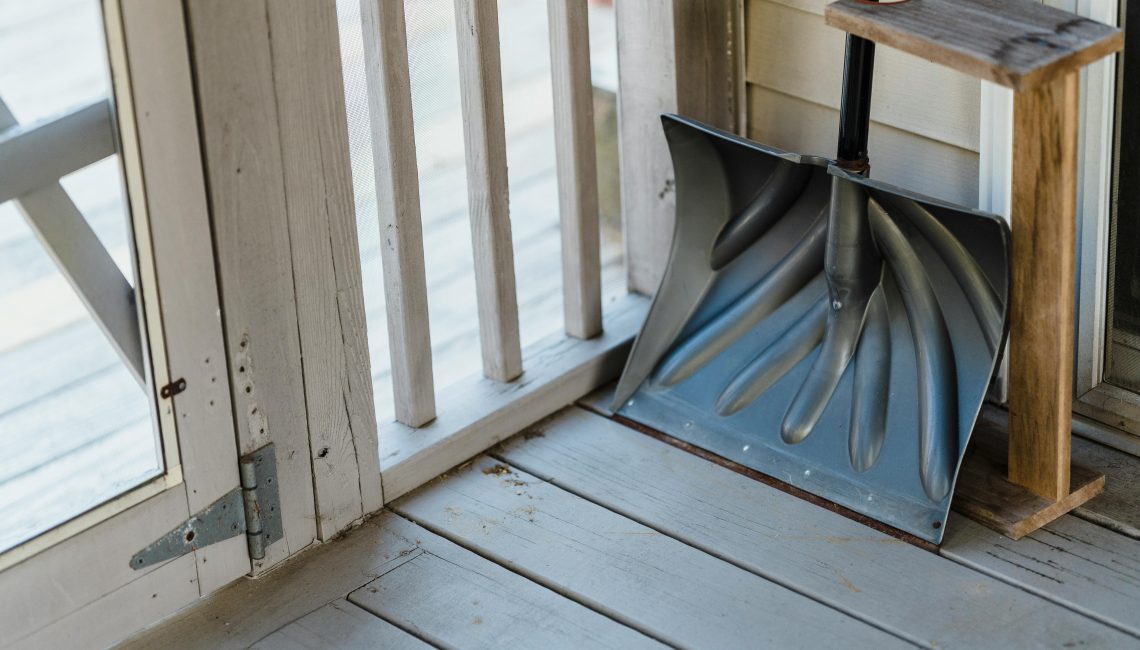
Throughout the winter, take steps to keep your walkways safe and ice-free. Spread salt or ice melt on your driveway and sidewalks to prevent slippery spots that could lead to costly slips and falls. Keep a shovel handy to clear snow regularly—it’s easier (and safer) to tackle snow before it gets packed down.

If you’re unsure which snow- and ice-melting product to use, look for one that’s effective in your climate and safe for pets or plants.

Review Your Home Insurance

Winter can be tough on your home, with risks like frozen pipes, roof damage, fires from heating systems, or even costly slip-and-fall accidents. You’ll want to make sure your home insurance includes dwelling coverage (for damage to the home itself), personal liability coverage (for slips and falls), and contents coverage (for damaged belongings). Home insurance typically includes coverage for fire and burst pipes, but it may not cover your roof damage if it’s due to neglect or general wear and tear.

Make sure your home insurance covers these cold-weather problems so you’re protected if something goes wrong. To learn more, request a free home insurance quote from Oracle RMS today!

Staying Safe While on the Roads

Winter roads can be full of surprises, like slick ice, reduced visibility, and snowdrifts. But with a little preparation and caution, you can navigate these cold-weather challenges safely. Here are some tips to help you stay safe while driving in winter weather conditions.

Swap to Winter Tires

All-season tires can lose their grip when temperatures drop below 7°C, so it’s a good idea to switch to winter tires. Make sure all four tires are the same type, size, speed rating, and load index for the best handling, control, and stability.

In Canada, look for the symbol of a peaked mountain with a snowflake on the tire—that means it’s designed to meet snow traction standards and handle severe winter conditions. Stay safe and ready for whatever winter throws your way.

Check the Weather and Plan Ahead

Before heading out, check the Environment Canada weather forecast for the winter weather advisory so you’re not caught off guard. Keep an eye out for winter storm watch warnings about freezing rain, blowing snow, heavy snowfall, and whiteout conditions.

Once you know what to expect, make a plan—if there’s a winter storm warning, maybe leave earlier to avoid worsening weather or even postpone that store run if it’s not urgent. If you do need to head out, knowing the conditions ahead of time can help you prepare and drive more confidently and safely.

Prepare an Emergency Kit

Winter weather can bring unexpected challenges, like vehicle breakdowns or emergencies, so it’s smart to be prepared. Being stuck in a vehicle during extremely cold temperatures can lead to cold stress/frostbite and hypothermia. Putting together an emergency kit for your car can make all the difference if you’re stuck on the road in extreme cold.

Stock it with essentials like a flashlight, jumper cables, warm blankets to maintain body heat, bottled water, snacks, a first-aid kit, and a phone charger. Also, pack an ice scraper, gloves, cat litter or sand, and a small shovel for those snowy situations.

Review Your Car Insurance

Winter driving can be a challenge—snow, ice, reduced visibility, and those sneaky patches of black ice can catch anyone off guard. That’s why it’s so important to make sure your car insurance has you covered for the unexpected.

Collision coverage helps with accidents involving another vehicle or stationary objects, while comprehensive coverage steps in for weather-related damage or even a run-in with a deer. With the right coverage, you’ll have peace of mind no matter what winter throws your way.

So, make sure your car insurance has you covered this winter for winter-specific issues like accidents on icy roads or weather-related damage. Request your free car insurance quote from Oracle RMS today!
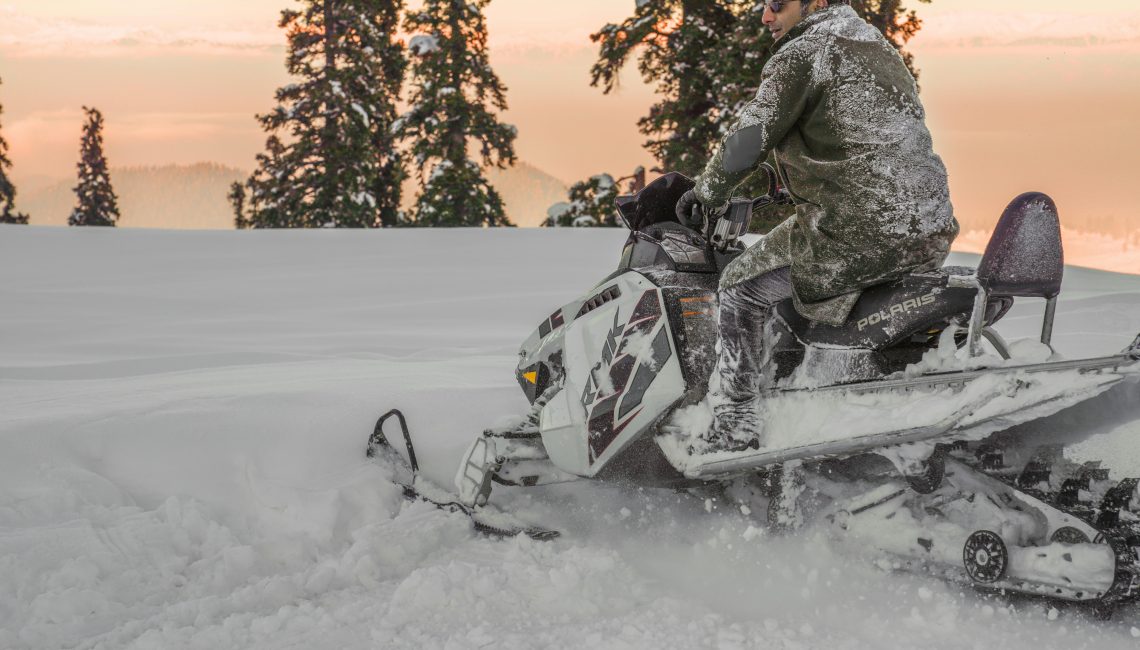
Getting Ready for Snowmobile Season

Winter is just around the corner, and snowmobile fans are getting ready to hit the trails for another thrilling season. But before you rev up and ride, it’s a good idea to make sure both your snowmobile and your insurance are good to go. In this blog, we’ll share some tips to help you stay safe, get prepared, and make sure your snowmobile insurance has you covered for the adventures ahead.

Winterizing Your Snowmobile

Getting your snowmobile ready before the season starts is the best way to ensure it runs smoothly and safely all winter long. A little pre-season prep can go a long way in keeping your sled reliable and performing at its best. Before you hit the trails, take some time to check these key areas:

Fluid Levels

Make sure your gas, brake fluid, and coolant levels are where they should be, and top them off if they’re low. If there’s leftover gas from last season, it’s a good idea to drain the tank and refill it with fresh fuel to avoid any performance issues.

Battery

Test your battery and charge it if needed. If it’s showing signs of wear, it’s a good idea to replace it—nobody wants to deal with a dead battery when it’s freezing outside.

Engine

Make sure your carburetors are clean—dirty carburetors are one of the leading causes of engine trouble. While you’re at it, check the throttle, oil cables, fan, and water pump belt to ensure they’re in good shape with no cracks. A little attention to these details can save you a lot of headaches later!

Skis & Track

Inspect the skis for any signs of wear or damage. Check the track to ensure it’s properly tensioned and in good condition. A loose or damaged track can affect both performance and safety.

Safety Tips Before You Ride

If you’re snowmobiling in Ontario, it’s your responsibility to know and follow the laws around snowmobiles before you hit the trails, such as wearing a helmet and having a licence. In addition to knowing the laws, here are some tips to help keep you safe:

  • Take a snowmobile safety course to brush up on your skills
  • Pack a first-aid kit and a survival kit—just in case
  • Pack an emergency tool kit (with spark plugs and drive and fan belts) with an extra key
  • Always let someone know your plans—where you’re headed and when you expect to be back
  • Keep your gas tank topped off to avoid any unexpected stops
  • Check the weather, trail, and ice conditions before heading out—it’s better to be safe than sorry
  • Double-check that the trails you plan to ride are open and accessible before you go
  • Dress in layers and wear proper gear to protect yourself from the cold and prevent hypothermia
  • Give your snowmobile a quick inspection to ensure everything’s in good working order
  • Do not use alcohol or drugs while riding

Don’t Forget Your Winter Gear

  • Make sure to wear well-insulated protective gear, like goggles, a waterproof snowmobile suit, gloves, and rubber-bottomed boots to stay warm and safe
  • Always wear a helmet that meets Canadian safety standards, and make sure your passengers do too—its the law
  • Attach a brightly coloured antenna flag (1.2 to 2.4 meters tall) to the back of your snowmobile, especially if you’re riding in hilly areas—it helps others spot you
  • Bring a cell phone if there’s service where you’re riding, or consider a satellite phone for better coverage in remote areas

Snowmobile Insurance from Oracle RMS

In Ontario, unless you are driving a snowmobile on private property, you must have snowmobile insurance. At Oracle RMS, we understand how important it is to be protected and have peace of mind while you’re riding, so that’s why our customized policies include the exact coverage you need:

Third-Party Liability Coverage

You’ll need at least $200,000 in liability coverage to cover third-party injuries, death, or property damage caused to others. This also covers legal costs if you’re sued.

Statutory Accident Benefits Coverage

This coverage provides extra benefits for medical care, rehabilitation, income replacement, caregiver support, and more if you’re injured, no matter who’s at fault.

Direct Compensation – Property Damage (DCPD) Coverage

This coverage covers damage to your snowmobile and its contents if another insured driver is at fault in Ontario. Instead of waiting on their insurance, you can go through your own insurance, speeding up the claims process.

Uninsured Automobile Coverage

This coverage offers financial protection if you or your family are injured or killed by an uninsured or unidentified driver. It also covers up to $25,000 in damages to your snowmobile caused by an uninsured driver.

Additional Coverage Options for Your Snowmobile Insurance Policy

Snowmobile insurance is a lot like car insurance. It comes with mandatory coverages as well as optional ones. A couple of popular optional coverages include:

Collision coverage

Accidents can happen, especially when you’re out on public property. If your snowmobile collides with a vehicle or another object and gets damaged, collision coverage can help cover the costs and give you the financial protection you need.

Comprehensive coverage

Collision coverage is great, but it doesn’t cover everything. That’s where comprehensive coverage comes in—it helps with costs from things like fire, natural disasters, falling objects, or even hitting an animal. It’s a smart way to protect your snowmobile from the unexpected.

Get Snowmobile Insurance Today from Oracle RMS

Take a moment to review your snowmobile insurance policy before the season starts. Make sure you’ve got the right coverage for whatever comes your way—whether it’s liability or comprehensive protection for things like theft or accidents.

If you’ve just bought a snowmobile and need insurance or have questions about your current coverage, an Oracle RMS insurance broker is here to help. We’ll work with top local companies to find you the best snowmobile insurance quote tailored to your needs. Whether you’re looking for new coverage or just want to review your existing policy, we’ve got you covered—and we’re happy to answer any questions along the way!

Prepping Your Home for the Winter 101

It’s never a good idea to wait until the last minute to get your home ready for winter. Even if you’re not quite in cold-weather mode yet, taking steps now to winterize before the cold air hits can save you from some chilly surprises later on. If you’ve already tackled some of these tasks from our fall preparation blog, you’re ahead of the game. But if not, no worries! Here’s what you need to do to get your home ready for winter.

Winter home maintenance checklist

By prepping your home for winter in advance, you can stay cozy no matter how cold it gets—and save on your heating bill, too. Here’s our list of things to tackle before the winter weather arrives.

Inspect Your Roof and Gutters

As we mentioned in our fall home maintenance checklist, falling leaves can quickly block your gutters, and if you don’t clear them out, it can lead to water damage. Take some time to remove any debris, and while you’re at it, check your roof for loose shingles or potential leaks.

With the winter weather approaching, skipping this step could result in water getting trapped on your roof during heavy rain or snow, which can cause flooding. This might lead to serious roof damage or even allow water to seep into your home or garage, creating bigger issues. Taking care of your roof now can help you avoid costly water damage down the road.

If you decide to have your roof inspected by a professional, see if they can inspect your chimney as well (if you have one) for any compromised masonry.

Drain and shut off water sources

You’ll want to check all your outdoor water sources as well. Winterize your irrigation systems, drain and shut off any outdoor faucets, and be sure to disconnect and store your garden hose(s) to prevent freezing and damage. By properly draining and shutting off these outdoor water sources, you’ll lower the risk of pipes bursting when the temperature drops. Plus, storing your hoses properly will help them last longer and stay in good working condition.

Inspect Your Home and Property for Damages

Now’s a good time to inspect your home and property for any signs of damage. As we mentioned, while you’re cleaning the gutters, keep an eye out for roof issues. You’ll also want to check your foundation, siding, bricks, or interlock.

Broken patio stones can become hazardous in winter, and uneven surfaces increase the risk of slips and falls on ice. Even small dips in your driveway can turn into black ice. Take a walk around your property, spot any potential problems, and schedule repairs before winter weather hits.

Trim Trees and Clear Your Yard

Tree trimming isn’t just for looks—it’s an important safety step. If branches fall during a snowstorm, thunderstorm, or high winds, they could damage your home, or worse, injure someone or damage a vehicle. Don’t wait for an accident to happen before taking care of this task.

Remember, even if a tree looks healthy, it could still be in bad shape, increasing the risk of it breaking and causing harm to your home, property, cars, or family. If you’re unsure, it’s a good idea to hire an arborist to assess your trees and remove any limbs that might be dangerous during winter storms. This can help you avoid insurance claims from storm damage.

Also, clear away broken branches, dead plants, and any leftover foliage now so you don’t have a yard full of debris to deal with in the spring.

Inspect your Attic

Homeowners often focus on the outside when getting ready for winter, but it’s just as important to prep your house from the inside out. Before the temperatures drop, make sure your attic is properly insulated. This helps improve airflow throughout your home and keeps all that hot air from escaping.

Here’s a tip: When picking insulation, check the ‘R-value’—the higher the R-value, the better your insulation will be at saving energy. The Ontario Building Code recommends a minimum R-value of R-60 for attic insulation in new homes, which equals about 22 inches of loose-fill insulation or 16 inches of fibreglass batts. But for better energy efficiency and comfort, many experts suggest going up to R-70 or even R-80, especially if you have an older home.

Inspect Your Heating System

As the fall weather cools down and cold air starts creeping back, your heating system is going to be your go-to. It’s smart to have your furnace, wood stove, or boiler checked and serviced now before you really start relying on it. This not only helps prevent fire hazards but also keeps your system running efficiently, which can help you save money on heating costs and reduce risks.

Don’t forget to clean or replace your furnace filter too, since it’s probably collected dust over the summer. Aim to change or clean the filter every couple of months to keep things running smoothly.

And speaking of saving on heating costs, check if your ceiling fans can run in reverse. Doing so helps circulate warm air around your home and can help reduce your heating costs.

Inspect and Clean Out Your Fireplace

If you have a fireplace, make sure it’s clean and the flue is clear to prevent chimney fires. Check up the chimney for any bird nests or debris left by animals, as a clogged chimney can quickly become a hazard, causing smoke to fill your home or even leading to a fire.

For gas or electric fireplaces, inspect the heating units to ensure no small animals have chewed on any wires. It’s also a good idea to have a professional take a look at wood-burning stoves and fireplaces to make sure there’s no buildup in the chimney that could block smoke or cause a fire.

Inspect and Clean Your Venting Systems

Make sure all your vents are working properly. If someone is already up on your roof, have them check the attic vents, too. You’ll want to keep these vents open all year long. Besides helping to ventilate moisture, roof vents also regulate the temperature inside your home and prevent ice dams from forming on your roof, which can damage shingles and gutters.

Bathroom vents can trap moisture and cause rot, and the same goes for your dryer vent and kitchen hood fan. Also, double-check that the flashing around these vents is in good condition and securely in place. You’ll also want to make sure your external vents are all secured to prevent critters and other animals from trying to sneak into your home to get out of the cold.

Check your Smoke and Carbon Monoxide Detectors

Since you’re focusing on fire safety, now’s a great time to test your smoke and carbon monoxide detectors. Swap out the batteries if they’re low and make sure they’re working. It’s a good idea to check them at least twice a year, and one of those times should definitely be before winter.

During the colder months, you’re cranking up the heat, using space heaters, putting up extra lights and decorations for the holidays, and often cooking big family meals. Since cooking and heating equipment are the leading causes of house fires, it’s crucial to stay on top of this safety step.

Also, check that your fire extinguishers are up to date and ready to use—just in case.

Inspect Your Windows and Doors

Check the caulking and weather stripping around your windows and doors to ensure the sealant is still intact. Keep an eye out for any small cracks or gaps where you can see sunlight coming through or feel a small breeze. Warm air doesn’t just escape through the attic—if your home isn’t properly sealed, it can leak from other areas too. A tight seal around windows and doors not only helps you save on energy costs by preventing heat loss but also keeps moisture out and stops critters from sneaking in when the cold weather arrives.

You might also want to consider having a professional do a building pressurization test. This test lowers the pressure inside your home, helping to pinpoint exactly where air leaks are happening.

Also, did you know that adding curtains or drapes will help to preserve heat? If you love bare windows, you might want to rethink that as winter approaches. Keeping the curtains/drapes open during the day lets sunlight warm up your rooms, but closing them at night helps keep the heat in. Curtains act as a barrier against the cold, and the thicker they are, the better the insulation they provide.

Insulate Your Pipes

No one wants to wake up to a burst pipe. It can flood your home and leave you with a hefty repair bill. The thing is, not all pipes are insulated or built to handle freezing temperatures, making burst pipes a big worry during the winter months. The good news is that you can easily add foam insulation around your pipes, especially the ones on exterior walls, to keep the water inside from freezing and prevent pressure from building up, leading to freezing pipes that burst.

Prepare a Winter Emergency Kit

With winter weather on the way, bringing freezing temperatures and potentially dangerous conditions, it’s important to be ready for severe storms and possible power outages. While many people have an emergency kit stashed away in their car, not everyone has one in their home.

Having a home emergency kit can make a big difference. Canadian winters can be intense, and having an emergency kit ready can save you from scrambling if the power goes out. Here’s a list of essentials you’ll want to include:

  • Warm/thermal blankets, a USB heated blanket, or a sleeping bag
  • Emergency food and bottled water
  • Rechargeable battery packs and cables
  • LED flashlight and spare batteries
  • Battery-powered or crank radio
  • First aid kit
  • Candles and matches/lighter
  • Some basic hand tools, like a screwdriver, scissors, and pocket knife

Purchase any necessary tools and products

When winter hits, it’s important to have the right tools and gear to handle the challenges it brings. A sturdy snow shovel is a must for clearing driveways and walkways. If you have larger areas to clear, a snow blower can be a great investment. To improve traction on slippery paths, keep some sand or cat litter handy, and have a bag or two of salt to help prevent slips and falls on your driveway and walkways. Don’t wait until the first snowstorm to try and gather these items.

Review Your Insurance Coverage

If you live in Canada, you know how important it is to prepare for severe weather in the winter season. Winters in many parts of Canada are known for their frigid temperatures and heavy snowfall. That’s why, while preparing your home for winter, it’s also a smart time to review your home insurance policy. You’ll want to make sure it covers common winter issues like ice damage, burst pipes, or flooding.

Reviewing your insurance is just as crucial for winter storm protection as any other home maintenance. The cost of repairing your damaged home from a disaster like water damage due to melting snow or ice dams can be overwhelming, so it’s worth considering extra coverage if your current policy falls short.

If you have any questions about your home insurance or need to update your coverage, contact an Oracle RMS insurance broker. We’ll help you find the right policy by working with top local providers to get you the best home insurance quotes for your needs.

Driving Without Ownership: Understanding OPCF 27 Coverage

It’s pretty normal to drive someone else’s car, whether you’re borrowing a vehicle from a friend or family member or renting one while out of town. A lot of people assume their personal car insurance will cover them in these situations, but that’s not always the case. It actually depends on whether you’ve added the OPCF 27 endorsement to your policy. Here’s what it is, why you need it, and how you can get it.

OPCF 27: Liability for Damage to Non-Owned Automobiles

OPCF 27 coverage is also known as Legal Liability For Damage To Non-Owned Automobiles. It is an optional add-on that Ontario drivers can include with their auto insurance coverage. If you get into an accident while driving someone else’s car and have OPCF 27, you’re basically protecting their insurance from taking a hit. This helps keep their claim history clean and prevents their premiums from going up.

With OPCF 27, you’re typically covered for things like physical damage, theft, third-party liability, and accident benefits when you’re driving a rented or borrowed vehicle.

OPCF 27 coverage kicks in when you’re driving, using, storing, or parking a non-owned automobile in Canada or the U.S., but only under certain conditions:

  • You’re legally responsible for any damage.
  • You’ve agreed, through a contract or agreement, to be responsible for the damage.

However, this coverage won’t apply if the vehicle is owned or registered in your name or belongs to someone who lives with you.

What does OPCF 27 cover?

An OPCF 27 endorsement extends your insurance to cover rented or borrowed vehicles. Here’s what you get when you add OPCF 27 to your car insurance policy:

  • Third-party liability coverage: Covers damages, injuries, or deaths caused to others while you’re driving a borrowed or rented vehicle.
  • Accident benefits coverage: Takes care of medical expenses, funeral costs, and even income replacement if you’re unable to work due to an accident.
  • Collision insurance: Covers repair or replacement costs if the rental car is damaged in a collision.
  • Comprehensive insurance: Covers losses from things like theft, vandalism, weather damage, falling objects, or fire.

Collision and comprehensive coverage are especially valuable since rental companies usually charge extra for these protections.

Conditions and Limitations of OPCF 27

While OPCF 27 offers great coverage for rental and borrowed vehicles, it does come with some limits and conditions. Here’s what you need to keep in mind:

  • It only covers drivers listed on your insurance policy.
  • There’s a 30-day limit for rental car protection.
  • The coverage amount is capped, typically between $25,000 and $50,000.
  • It only applies to standard vehicles that weigh less than 4,500 kilograms.

So, while OPCF 27 is helpful, it’s not complete protection for every situation.

How Much Does OPFC 27 Cost?

Adding the OPCF 27 endorsement to your policy typically costs around $50 or less per year. Even if you only rent a car once, it’s usually cheaper than paying the rental company’s daily insurance fees, which can add up quickly.

How does OPCF 27 coverage work when you are involved in an at-fault collision?

If something happens while driving a rental car, and you have both rental insurance and OPCF 27, you can choose which policy to use for the claim.

The same goes for borrowing someone else’s car—you can file a claim under your OPCF 27 or the car owner’s insurance. However, keep in mind that whichever policy you claim under could see an increase in premiums, so the owner will probably want you to file it under your OPCF 27 policy.

Do You Need The OPCF 27 Endorsement?

Whether you need the OPCF 27 endorsement really depends on your driving habits. If you often rent cars or borrow vehicles from others, it’s definitely worth having for that extra protection. But if you only drive your own car, you probably don’t need it.

How To Add OPCF 27 To Your Policy

If you want to add OPCF 27 coverage to your car insurance policy, reach out to our expert team at Oracle RMS. One of our licenced insurance brokers can help you decide if this policy is right for you. We can also help you update your car insurance coverage by finding and comparing the best car insurance quotes from top insurance companies in your area.

What To Do When Preparing Your Home for Fall

Spring might be the go-to season for a little extra home maintenance, but fall is just as important when it comes to getting your house ready for winter. By adding a few upkeep tasks to your autumn routine, you can catch any potential issues early and make sure your home is prepared for whatever winter throws your way.

Fall Home Maintenance Checklist

As the kids head back to school, the cold weather begins rolling in, and the leaves start turning vibrant Autumn colours; it’s the perfect time to prepare your home for fall and the winter season ahead. To help you kick things off, here are some of the top tasks to tackle as you prep for the season.

Inspect Your Roof and Gutters

Falling leaves can quickly clog up your gutters, which can lead to water damage if left unchecked. Take some time to clear out any debris and check your roof for loose shingles or potential leaks. If you’re cleaning the gutters yourself, be sure to use a ladder safely or get someone to help you out to avoid accidents.

Ignoring this task could mean that during heavy rain or snow, water gets trapped on your roof, which might cause flooding. This can lead to serious damage to your roof or even seep into your home or garage, creating even bigger problems. Keeping your roof in good shape now can save you from expensive water damage repairs later on.

Inspect Your Home and Property for Damages

As you start getting ready for the colder months, it’s a good idea to check your home and property for any signs of damage. While you’re cleaning out your gutters, you can look out for issues with your roof. You should also check your foundation, siding, bricks, or interlock. Broken patio stones can be a real hazard in winter, and uneven surfaces might lead to a higher chance of slips and falls on ice. Even small dips in your driveway can turn into black ice. Take a walk around your property, spot any problems, and get those repairs scheduled sooner rather than later.

Trim Trees and Clear Your Yard

Autumn storms can bring strong winds, making it more likely for branches to fall. It’s a good idea to trim any overhanging branches that could potentially damage your home or vehicles. Also, clear out broken branches, dead plants, and any leftover foliage so you’re not left with a yard full of debris to deal with in the spring. Taking these steps now can help prevent the need for insurance claims due to storm damage.

Keep in mind that trees might look healthy but could actually be in poor condition, which increases the risk of them breaking and causing damage to your home, property, cars, or even your family. If you’re unsure, consider hiring an arborist to check on your trees and remove any limbs that could pose a risk during winter storms.

Prepare Your Backyard Landscaping

As the winter weather approaches, it’s time to bring in and store any outdoor furniture or décor that can’t handle colder temperatures or wet conditions. Even outdoor fabrics can develop mould if they’re exposed to moisture all winter. And if you have potted plants, move them indoors or into your garage where it’s warmer so they can keep growing through the winter.

Also, if you live in a freezing climate, don’t forget to winterize your sprinkler system. If the water in the main pipe freezes, it can crack the valves or even the manifold, leading to expensive and time-consuming repairs.

Finally, close the outdoor water shut-off valves until the temperatures are consistently above freezing. Otherwise, any water in the pipes leading outside could freeze and cause them to burst.

Check Your Heating System and Air Conditioner

As the temperatures start to drop and the cold air makes its return, your heating system is going to become your best friend. It’s a good idea to have your furnace or boiler inspected and serviced now before the heating season. Keeping your system in good shape not only lowers the risk of fire hazards but also helps it run more efficiently, saving you money on your heating bills and reducing potential risks.

Also, don’t forget to clean or replace your furnace filter, especially since it’s probably gathered dust over the summer. Try to clean or change the filter every couple of months to keep everything running smoothly.

While you’re having your heating system serviced, it’s a good idea to have your air conditioning unit serviced, as well. This way, it’s ready to go for next summer when the hot temperatures return. Also, don’t forget to cover it once the fall temperatures have set in to protect it through the winter.

Clean Out Your Fireplace

If you have a working fireplace, make sure it’s clean, and the flue is clear. Look up the chimney to check for bird nests or animal debris. A clogged chimney can quickly become dangerous, leading to increased smoke inside your home or even the risk of a house fire.

Inspect the heating units of gas or electric fireplaces to ensure no small animals have chewed on the wires. It’s also a good idea to have a professional inspect wood-burning stoves and fireplaces to ensure there’s no buildup in the chimney that could block smoke or start a fire.

While you’re thinking about fire safety, it’s a great time to test your smoke detectors and carbon monoxide detectors. If the batteries are running low, go ahead and replace them. Also, take a moment to check your fire extinguishers to make sure they’re still up to date and ready to use.

Review Your Insurance Coverage

Finally, with fall comes the possibility of severe weather, so it’s a good time to review your home insurance. Make sure it covers common autumn risks like wind damage or flooding. Keep in mind that most standard homeowners and renters insurance policies don’t cover things like flooding, earthquakes, mudslides, or hurricane damage—you’ll need to purchase that coverage separately.

Checking your insurance is just as important for storm protection as any other home maintenance task. The cost of repairing damage from a single natural disaster can be overwhelming, so consider adding more coverage if your current policy doesn’t offer enough protection.

If you have any questions about your home insurance or want to update your coverage, reach out to an Oracle RMS insurance broker today. We’ll help you find the right insurance by working with top local companies to get you the best home insurance quotes for your needs.

What is Corporate-Owned Life Insurance?

We all know that life insurance can help individuals cover debts and funeral costs and provide financial support for their families after they’re gone. But did you know that your corporation can also purchase life insurance to handle various issues that might come up after your death? It can be used to pay off corporate debts, strengthen operating capital, and buy out shareholders’ estates.

Business owners and decision-makers often depend on a few key people who are vital to the company’s success. If one of these crucial individuals were to pass away suddenly, it could have serious financial consequences. This is where Corporate-Owned Life Insurance steps in.

For Oracle RMS clients, especially those managing small—to medium-sized businesses, grasping the benefits of Corporate-Owned Life Insurance is essential.

What is COLI?

Corporate-Owned Life Insurance (COLI) is a life insurance policy that a company takes out on its key employees. The business owns the policy and is also the one that receives the payout if something happens to the insured employee.

If that employee passes away, the company gets a death benefit. COLI acts as a financial safety net, helping the company stay stable during tough times. It provides immediate cash flow that can be used to soften the blow of losing a key employee. This money can be used in different ways, like funding buy-sell agreements, covering the cost of finding a replacement or paying off company debts.

When the company receives the insurance proceeds, they aren’t taxed. Instead, the amount (minus any adjusted cost basis) is added to the company’s capital dividend account. This can then be distributed to shareholders as a tax-free capital dividend. The adjusted cost basis, determined by the insurance company, is calculated by subtracting the annual pure cost of the life insurance from the premiums paid.

Why Would a Company Get Corporate-Owned Life Insurance?

There are several business reasons why it might make sense for a company to own a life insurance policy. When done correctly, a corporate-owned policy can offer clear financial, tax, and legal benefits.

Lower premiums

One benefit of corporate-owned life insurance is that the premiums are paid with after-tax corporate dollars, which are taxed at a much lower rate than an individual shareholder’s personal income. In Ontario, the corporate tax rate on active business income is around 15%, and for investment income, it’s about 50%. Meanwhile, the top personal tax rate in Ontario is roughly 53.5%. So, using corporate dollars to pay for the premiums can be much more cost-effective.

Reduced taxes

Upon death, an individual’s property is considered to be sold at its fair market value. When it comes to shares in a corporation that owns a life insurance policy, the Income Tax Act requires the life insurance policy to be valued at its cash surrender value right before death. This amount is usually much lower than the policy’s payout after death and also less than the value of the property the corporation might have accumulated if it hadn’t bought the insurance.

As a result, purchasing life insurance can help reduce the taxes owed on shares of a private corporation upon death, since it typically results in a lower valuation of the corporate shares compared to if no life insurance had been bought.

Key person protection

Key person protection is crucial for a business because the death of a shareholder or key employee can create significant financial stress. Replacing a key person is often challenging, and even when a replacement is found, it may take months or years for them to reach the same level of effectiveness. This disruption can impact a small business’s efficiency and profitability.

Life insurance can help by providing the necessary cash flow to stabilize working capital, pay off debts, or cover the costs of hiring and training a replacement if a key executive passes away.

Loan protection

In small businesses, it’s common for lenders to ask the owner to personally guarantee loans. Sometimes, they may also require life insurance on key individuals for the length of the loan. Even if it’s not required, having life insurance is a smart move. A personal guarantee can become a liability for the owner’s estate, meaning the estate might be responsible for any business debts that aren’t paid off. Plus, having life insurance can make it easier for the business to secure financing.

Equal distribution

Estate taxes and equalizing inheritances can be tricky, especially when a family-owned business makes up the bulk of someone’s estate, and not all beneficiaries are involved in the company. Typically, the shares of the family business go to those involved in running it, while the rest of the estate is divided among the other family members.

The challenge is that there might not be enough cash available to cover the taxes on the deemed disposition of the shares or to provide equal value to the uninvolved beneficiaries. Corporate-owned life insurance can help by paying out proceeds to the estate through a capital dividend, which can be used to cover tax liabilities and ensure that all beneficiaries receive an equivalent share.

Shareholder buyouts

Private companies often rely on life insurance to fund buy-sell agreements that kick in when a shareholder passes away. The life insurance proceeds can be used to buy out the shares owned by the deceased shareholder’s estate or beneficiaries. This approach ensures the business can continue without disruption while providing cash to the deceased’s beneficiaries.

In many situations, the remaining shareholders may not want the deceased partner’s family involved in the business, and the family might prefer to receive the estate proceeds rather than stay involved. Corporate-owned life insurance helps make this transition smooth for everyone involved.

Contact Oracle RMS today

At Oracle RMS, we’re committed to guiding our clients every step of the way, even after they’ve purchased their policy. Every client is personally matched with an Oracle licensed insurance broker who is dedicated to meeting their specific Corporate-Owned Life Insurance needs. Request a free financial services quote today.

Road Trip Safety Tips for Your End-Of-Summer Ontario Road Trip

If you’re planning any road trips to wrap up the summer, Ontario’s diverse landscapes offer everything from lively cities to peaceful countryside views, making it a perfect destination. But before you hit the road, it’s important to keep safety in mind to ensure your trip is as enjoyable as it can be. In this blog, we’ll go over some key road trip safety tips to help you stay safe and make the most of your Ontario road trip.

1. Plan Ahead

Ontario’s weather can be unpredictable. Before you hit the road, take a moment to check the weather, road conditions, and traffic updates. Give yourself plenty of time to reach your destination safely—there’s no need to rush.

Remember that Canada is the second-largest country in the world, and in some of the more remote areas, gas stations can be few and far between. Make sure you fill up your gas tank before setting off on a long drive, especially in those less populated areas. Even if you’re relying on GPS, it’s a good idea to look over the directions and maps beforehand and map out what gas station(s) you’ll stop at. Also, it’s a good idea to have an alternate route planned. It can save time and stress if conditions change.

Finally, make sure to share your route and expected arrival time with someone so they know your plans.

2. Vehicle Maintenance

Before you leave, you’ll want to make sure your vehicle is in top condition. If it’s been a while since your car’s last check-up, investing in a tune-up before your road trip could save you from dealing with a costly repair while you’re on vacation. No one wants their air conditioning to break down in the middle of a late-summer road trip. It’s best to get this done at least two weeks before you hit the road, so if your mechanic finds any big issues, you’ll have plenty of time to get them fixed.

However, if you’d like to check your car out yourself, here’s what you’ll need to do:

Tires

Tires naturally lose air over time, even without a puncture, and underinflation is actually the leading cause of tire failure. So, before you head out, make sure each tire is inflated to the pressure recommended by your vehicle’s manufacturer. You can find this information in your owner’s manual or on a placard located on the driver’s door pillar or door frame. And don’t forget to check the spare tire if your car has one!

You’ll want to check your tire pressure while the tires are cold to get the most accurate reading—meaning they haven’t been driven on for at least three hours. Remember, the number on the tire itself is the maximum pressure it can hold, not the recommended pressure for your vehicle. Only inflate it to the pressure recommended by your vehicle’s manufacturer.

Fluid Levels

If you’re driving a conventional or hybrid vehicle, it’s a good idea to check your oil level regularly. While you’re at it, check the fluid levels brakes, coolant/antifreeze, radiator coolant, power steering (if it’s hydraulic), windshield washer, and transmission fluid. Make sure each reservoir is topped up, and if you notice any leaks, get your car serviced.

Lights

Take a moment to walk around your car and check all the lights. Make sure your headlights, brake lights, emergency flashers, turn signals, and interior lights are all working properly. If you’re planning to use a trailer, don’t forget to check its brake lights and turn signals, too. If you find any bulbs that are burnt out, go ahead and replace them before you hit the road.

Wiper Blades

Winter storms and spring rains can really wear down your windshield wiper blades, and the summer heat doesn’t do them any favours, either. Take a close look at your wiper blades for any signs of wear on both sides. Sometimes, they can get deformed and won’t work well in both directions. If they’re not in great shape, it’s worth replacing them before you head out on your trip.

3. Rest and Hydrate

Long drives can be exhausting. Luckily, Ontario has numerous rest stops and scenic areas where you can rest, stretch, and hydrate.

If you’ve ever been dehydrated, you know it’s no fun. It can leave you feeling exhausted and irritable and can even cause headaches, dizziness, and nausea. In extreme cases, dehydration can be life-threatening. That’s why it’s crucial to stay hydrated while travelling, especially in a hot summer climate. Make sure you bring lots of water with you.

Also, did you know that driver fatigue is one of the leading causes of accidents in Canada? To avoid drowsy driving, consider pulling over and resting at a motel for the night. Remember, it’s better to arrive late than not at all.

4. Be Prepared for Emergencies

Cell phone coverage can be spotty in remote areas. This is why it’s important to let someone know of your travel plans and expected arrival and departure times. Keep a fully charged phone and a portable charger handy. You should also bring an emergency kit with you just in case you get stuck somewhere.

What to put in your emergency road kit

When assembling your emergency kit, be sure to include the following:

  • First aid kit
  • Flashlight and spare batteries
  • Emergency blankets
  • Safety vest
  • Road flares, traffic cones, and a white flag
  • Jumper cables
  • Jack for changing a tire
  • Tire pressure gauge
  • Physical maps (in case your GPS stops working)
  • Water
  • Nonperishable food
  • A backup cell phone and charger

5. Review Your Car Insurance

Before hitting the road, review your car insurance policy to ensure it covers all potential scenarios, including accidents, towing, and roadside assistance. It’s important to know what your policy includes before you hit the road. 

It’s also a good idea to double-check the renewal date and make sure payments are being processed as expected. The last thing you want is to be involved in an accident while away from home, only to discover your coverage has expired. Also, you should know how to contact your insurance company in case of an emergency. Save their claims phone number in your phone’s contact list, just in case you need it while on your trip.

If you have any questions about your car insurance or are looking to renew, contact an Oracle RMS insurance broker today. We can help you find the right insurance by working with top local insurance companies to get you the best car insurance quotes for your needs. 

Unlike other forms of insurance, a common safety net that is often overlooked by customers—whether you’re an employee, business owner, or someone looking to cover their bases— is disability insurance. 

So, what exactly is disability insurance? Why is it important? And why should you consider purchasing this additional insurance plan for yourself? 

What is disability insurance and how does it work? 

Disability insurance protects you in the event you become disabled and are no longer able to work or earn an income. While the terms and conditions will vary between policies and insurance companies, this type of insurance will cover up to 80% of your earned salary up to a certain amount of time. 

While some employers may offer disability insurance as an aspect of your group benefits plan, others may not or the coverage may not be sufficient. 


Who needs disability insurance? 

Disability insurance is an essential aspect of financial planning for you and your family. Whether you’re employed by a company who doesn’t offer benefits, own a small business, have children, or are married, or single, disability insurance is for everyone. 

Accidents and illnesses can happen at any time, leaving you unable to work for long periods of time. Disability insurance serves as a well-needed safety net that will ensure you’re able to pay your bills until you’re able to go back to work. 

How much does disability coverage cost? 

Similar to other insurance policies the cost of disability coverage will vary between customers. So, how exactly are premiums calculated and what factors will insurance providers take into account? Here’s a closer look: 


  • The amount of coverage you want to purchase. 
  • How long of a payment period you wish to have should you need to file a claim with your insurance company. 
  • How long you will need to wait before your benefits will kick in. For example, a shorter waiting period may result in a higher premium, than a longer waiting period. 
  • Your age and gender. 
  • What you do for work. For example, if you have what is considered to be a dangerous occupation, the associated risk of your job will lead to more expensive premiums, compared to someone who doesn’t work in a dangerous field of work. 
  • Depending on the insurance company you choose, they may also take your current health and healthcare history into consideration. 


Get disability insurance with Oracle RMS today!

Without disability insurance, you’re leaving yourself vulnerable against financial instability, should you not be able to work for a variety of different reasons. But, with the help of disability insurance, you can have peace of mind knowing that you and your loved ones are covered against unforeseen circumstances.  At Oracle RMS, our insurance brokers have years of experience partnering with customers on their journey to acquiring customized protection plans tailored to their unique needs and budget. 


As a leading brokerage across the GTA, we have access to some of Canada’s top insurance companies and are able to help you shop around for the best policies available. For insurance solutions from the convenience of your mobile device or tablet, check out our free, disability insurance quote! We look forward to working with you. 

If you’re planning any road trips to wrap up the summer, Ontario’s diverse landscapes offer everything from lively cities to peaceful countryside views, making it a perfect destination. But before you hit the road, it’s important to keep safety in mind to ensure your trip is as enjoyable as it can be. In this blog, we’ll go over some key road trip safety tips to help you stay safe and make the most of your Ontario road trip.

1. Plan Ahead

Ontario’s weather can be unpredictable. Before you hit the road, take a moment to check the weather, road conditions, and traffic updates. Give yourself plenty of time to reach your destination safely—there’s no need to rush.

Remember that Canada is the second-largest country in the world, and in some of the more remote areas, gas stations can be few and far between. Make sure you fill up your gas tank before setting off on a long drive, especially in those less populated areas. Even if you’re relying on GPS, it’s a good idea to look over the directions and maps beforehand and map out what gas station(s) you’ll stop at. Also, it’s a good idea to have an alternate route planned. It can save time and stress if conditions change.

Finally, make sure to share your route and expected arrival time with someone so they know your plans.

2. Vehicle Maintenance

Before you leave, you’ll want to make sure your vehicle is in top condition. If it’s been a while since your car’s last check-up, investing in a tune-up before your road trip could save you from dealing with a costly repair while you’re on vacation. No one wants their air conditioning to break down in the middle of a late-summer road trip. It’s best to get this done at least two weeks before you hit the road, so if your mechanic finds any big issues, you’ll have plenty of time to get them fixed.

However, if you’d like to check your car out yourself, here’s what you’ll need to do:

Tires

Tires naturally lose air over time, even without a puncture, and underinflation is actually the leading cause of tire failure. So, before you head out, make sure each tire is inflated to the pressure recommended by your vehicle’s manufacturer. You can find this information in your owner’s manual or on a placard located on the driver’s door pillar or door frame. And don’t forget to check the spare tire if your car has one!

You’ll want to check your tire pressure while the tires are cold to get the most accurate reading—meaning they haven’t been driven on for at least three hours. Remember, the number on the tire itself is the maximum pressure it can hold, not the recommended pressure for your vehicle. Only inflate it to the pressure recommended by your vehicle’s manufacturer.

Fluid Levels

If you’re driving a conventional or hybrid vehicle, it’s a good idea to check your oil level regularly. While you’re at it, check the fluid levels brakes, coolant/antifreeze, radiator coolant, power steering (if it’s hydraulic), windshield washer, and transmission fluid. Make sure each reservoir is topped up, and if you notice any leaks, get your car serviced.

Lights

Take a moment to walk around your car and check all the lights. Make sure your headlights, brake lights, emergency flashers, turn signals, and interior lights are all working properly. If you’re planning to use a trailer, don’t forget to check its brake lights and turn signals, too. If you find any bulbs that are burnt out, go ahead and replace them before you hit the road.

Wiper Blades

Winter storms and spring rains can really wear down your windshield wiper blades, and the summer heat doesn’t do them any favours, either. Take a close look at your wiper blades for any signs of wear on both sides. Sometimes, they can get deformed and won’t work well in both directions. If they’re not in great shape, it’s worth replacing them before you head out on your trip.

3. Rest and Hydrate

Long drives can be exhausting. Luckily, Ontario has numerous rest stops and scenic areas where you can rest, stretch, and hydrate.

If you’ve ever been dehydrated, you know it’s no fun. It can leave you feeling exhausted and irritable and can even cause headaches, dizziness, and nausea. In extreme cases, dehydration can be life-threatening. That’s why it’s crucial to stay hydrated while travelling, especially in a hot summer climate. Make sure you bring lots of water with you.

Also, did you know that driver fatigue is one of the leading causes of accidents in Canada? To avoid drowsy driving, consider pulling over and resting at a motel for the night. Remember, it’s better to arrive late than not at all.

4. Be Prepared for Emergencies

Cell phone coverage can be spotty in remote areas. This is why it’s important to let someone know of your travel plans and expected arrival and departure times. Keep a fully charged phone and a portable charger handy. You should also bring an emergency kit with you just in case you get stuck somewhere.

What to put in your emergency road kit

When assembling your emergency kit, be sure to include the following:

  • First aid kit
  • Flashlight and spare batteries
  • Emergency blankets
  • Safety vest
  • Road flares, traffic cones, and a white flag
  • Jumper cables
  • Jack for changing a tire
  • Tire pressure gauge
  • Physical maps (in case your GPS stops working)
  • Water
  • Nonperishable food
  • A backup cell phone and charger

5. Review Your Car Insurance

Before hitting the road, review your car insurance policy to ensure it covers all potential scenarios, including accidents, towing, and roadside assistance. It’s important to know what your policy includes before you hit the road. 

It’s also a good idea to double-check the renewal date and make sure payments are being processed as expected. The last thing you want is to be involved in an accident while away from home, only to discover your coverage has expired. Also, you should know how to contact your insurance company in case of an emergency. Save their claims phone number in your phone’s contact list, just in case you need it while on your trip.

If you have any questions about your car insurance or are looking to renew, contact an Oracle RMS insurance broker today. We can help you find the right insurance by working with top local insurance companies to get you the best car insurance quotes for your needs.

When looking for life insurance options, you may come across two different insurance products: mortgage insurance and term life insurance. Mortgage insurance is designed to pay off your mortgage if you pass away. On the other hand, term life insurance offers your chosen beneficiary a one-time payment in the event of your death. Unlike mortgage insurance, this money can be used however your beneficiary sees fit.

What is Mortgage Life Insurance?

Mortgage insurance provides coverage to mortgage borrowers and is designed to payoff or pay down a mortgage if you die. The insurance proceeds are applied to the mortgage balance, which will ultimately allow your family to stay in their home.

What is Term Life Insurance?

Term life insurance provides your selected beneficiaries with  a lump sum, tax-free payment to use however they want should you pass away. When purchasing term life insurance, your premiums are fixed and guaranteed not to increase for the length of the policy term.

What is the difference between Mortgage Insurance and Term Life Insurance?

When deciding between term life insurance and mortgage insurance, it’s essential to understand the key differences to make an informed choice. Here are five important differences to consider:

  • Price: Term life insurance is generally more affordable for the same coverage amount compared to mortgage insurance.

  • Coverage Amount: Mortgage insurance coverage decreases as you pay off your mortgage, while term life insurance provides a fixed coverage amount regardless of your mortgage balance.

  • Underwriting: Term life insurance is underwritten at the time of application, whereas mortgage insurance is underwritten at the time of claim. This has posed issues for mortgage insurance claimants.

  • Beneficiary: With term life insurance, you select the beneficiary. In a mortgage insurance policy, the lender is the beneficiary of mortgage insurance. The lender will use the policy’s payout to cover the remaining mortgage balance.

  • Contract Duration: Mortgage insurance typically renews when the mortgage renews. On the other hand, term life insurance offers longer, more stable terms without changes in price or coverage.

What Type of Life Insurance is Right for me?

Choosing the right type of life insurance depends on several factors, including your financial goals, budget, and the specific needs of your dependents.

Term life insurance provides more flexible coverage and allows your beneficiary the freedom to utilize the proceeds as they see fit, with no restrictions.

At Oracle RMS, our licensed life insurance advisors can take a detailed look at your individual circumstances, and work with you to help you obtain the best life insurance policy for your and your loved ones.

If you are interested in learning more about your life insurance options, fill out our contact form or call one of our life insurance advisors at 647-947-8725.