How Pests Can Impact Your Home Insurance: What You Need to Know

Warm weather in Ontario means more time outdoors and an uptick in unwanted visitors. Whether a homeowner, cottage owner, or tenant, pests like ants, wasps, raccoons, and rodents can do more than annoy you. They can cause serious damage to your property. Explore how pests can impact your home or cottage, what insurance may or may not cover, and how to help protect your space before the problem starts.

Why Summer Means More Pests

Ontario summers bring sunshine and long weekends, but they also mark the peak season for pests. As temperatures rise, insects and wildlife become increasingly active, seeking food, water, and shelter. Warmer winters and earlier springs in recent years have also extended the active season for many pests.

Some of the most frequent summer intruders include:

  • Ants – especially in kitchens and around foundations.
  • Wasps – building nests under eaves, decks, and in attics.
  • Mosquitoes – breeding in standing water like birdbaths or clogged gutters.
  • Rodents – sneaking indoors for food or nesting spots.
  • Raccoons – targeting garbage bins, attics, or crawl spaces.

These pests are a nuisance and can cause significant property damage and health risks if left unchecked.

How Pests Can Damage Properties

Pests may be small, but the damage they cause can be costly. Beyond being an eyesore or inconvenience, pest infestations can lead to serious structural issues and health risks in your home or cottage.

Structural Risks

While pests may seem like a seasonal nuisance, the structural damage they can cause is no small matter. Certain pests, like rodents and termites, are particularly destructive, often causing hidden damage that can go unnoticed until it becomes a major repair bill.

Rodents and termites are notorious for chewing through:

  • Electrical wiring – damaged wires can cause electrical fires, posing a serious safety threat.
  • Insulation – pests nesting in your walls or attics can tear through insulation, making it harder to keep your home cool or warm and driving up energy bills.
  • Wood framing and supports – chewing and burrowing can compromise key structural elements, weakening floors, walls, or support beams.

Raccoons can tear through shingles and vents to access attics, where they damage insulation, chew wires, and leave hazardous waste. Birds, especially in cottage areas, often nest in vents and chimneys, blocking airflow and increasing fire or moisture risks. Structural damage often occurs in hidden areas, such as walls or crawl spaces, making it hard to spot until already severe.

Health Risks

Pests pose serious health risks to you and your family. Many carry diseases, trigger allergic reactions, or contaminate the air and surfaces inside your home or cottage.

  • Stings and bites from wasps, mosquitoes, and ticks can cause infections, allergic reactions, or medical emergencies for sensitive individuals.
  • Rodents and raccoons may transmit diseases like leptospirosis or rabies through bites, scratches, or contact with droppings.
  • Ticks can carry Lyme disease, which causes fatigue, joint pain, and serious complications if untreated.
  • Cockroaches and droppings can contaminate food and worsen asthma or allergy symptoms, especially in children and seniors.

The longer a pest problem goes unaddressed, the more these risks increase. Staying proactive not only protects your property but also helps protect your health.

The Insurance Perspective

When it comes to pests and your home insurance, knowing your coverage is essential to avoid surprises.

Standard home insurance policies typically include sudden and accidental damage caused by events like fires or water leaks. In some cases, if a pest infestation directly leads to an issue, your policy may cover pest damage indirectly, depending on the situation and your provider’s terms.

However, most homeowners’ insurance policies do not cover damage caused by gradual wear, neglect, or ongoing pest damage, such as termite rot or long-term rodent infestations. Damage from poor maintenance or failure to address pest issues promptly is generally excluded.

Pest Prevention Tips

Keeping pests at bay starts with simple, consistent steps outside and inside your home or cottage.

Outdoor Maintenance

  • Trim trees and shrubs away from your home to reduce pest access.
  • Mow lawns regularly and remove leaf litter to eliminate hiding spots.
  • Clear standing water from gutters, birdbaths, and planters to prevent mosquito breeding.
  • Seal cracks around foundations, vents, windows, and doors, especially if you’re near wooded areas.

Indoor Preparation

  • Keep counters clean and store food properly in sealed containers to avoid attracting pests.
  • Repair window and door screens to block potential entry points.
  • Declutter crawl spaces, garages, and attics where pests may nest.
  • Regularly monitor for signs of pests, such as droppings, gnawed materials, or ant trails.

Regular Inspections

Scheduling professional pest control inspections helps catch early signs of infestation that might be easy to miss. Licensed technicians can identify vulnerable spots and signs of pest activity, and recommend targeted treatments before small issues turn into costly repairs or health hazards.

Regular inspections are especially important for cottages or homes in wooded or rural areas, where wildlife and insects are more prevalent. Professionals can also offer advice on ongoing prevention tailored to your property’s unique risks.

By combining these practical steps with expert support, you’re not only safeguarding your cottage or home but also ensuring your insurance coverage remains valid. Early detection and swift action can significantly reduce the risk of structural damage, property loss, and health concerns.

Insurance Checklist and Follow-Up

Dealing with a pest problem doesn’t end once the treatment is done. Staying organized and taking proactive steps can help protect your home and strengthen future insurance claims.

Document Everything

Keep all receipts, inspection reports, and pest control invoices. This documentation can be essential if you ever need to prove that you took reasonable steps to maintain your property. It may also support claims related to secondary damage, such as electrical fires or water leaks.

Continue to monitor for signs of re-infestation. If pests return, document the issue with photos and notes, and contact a professional as needed. Early follow-up can prevent further damage and demonstrate due diligence to your insurer.

Insurance Protection Checklist

  • Confirm coverage – contact your insurance company and ask when your policy might cover pest damage.
  • Understand exclusions – know what’s not covered, like damage from long-term infestations, gradual wear, or neglect.
  • Explore add-ons – ask about endorsements or additional coverage for wildfire intrusion, sewer backups, or environmental pollutants, which may be relevant for rural homes and cottages.
  • Meet policy requirements – routine maintenance and professional documentation can go a long way in supporting claims if pest-related issues arise.

Don’t Let Pests Catch You Off Guard

Pest problems can escalate quickly, but with regular maintenance, professional help, and proper documentation, you can stay ahead of the damage and protect your home, health, and insurance coverage.

At Oracle RMS, we offer expert guidance to help you understand what’s covered, what’s not, and how to strengthen your protection. From policy reviews to added coverage options, we’re here to help you stay prepared before pests become a costly problem.

Get in touch with Oracle RMS today and ensure your home is covered from every angle.
How To Protect Your Cottage From Any Damage

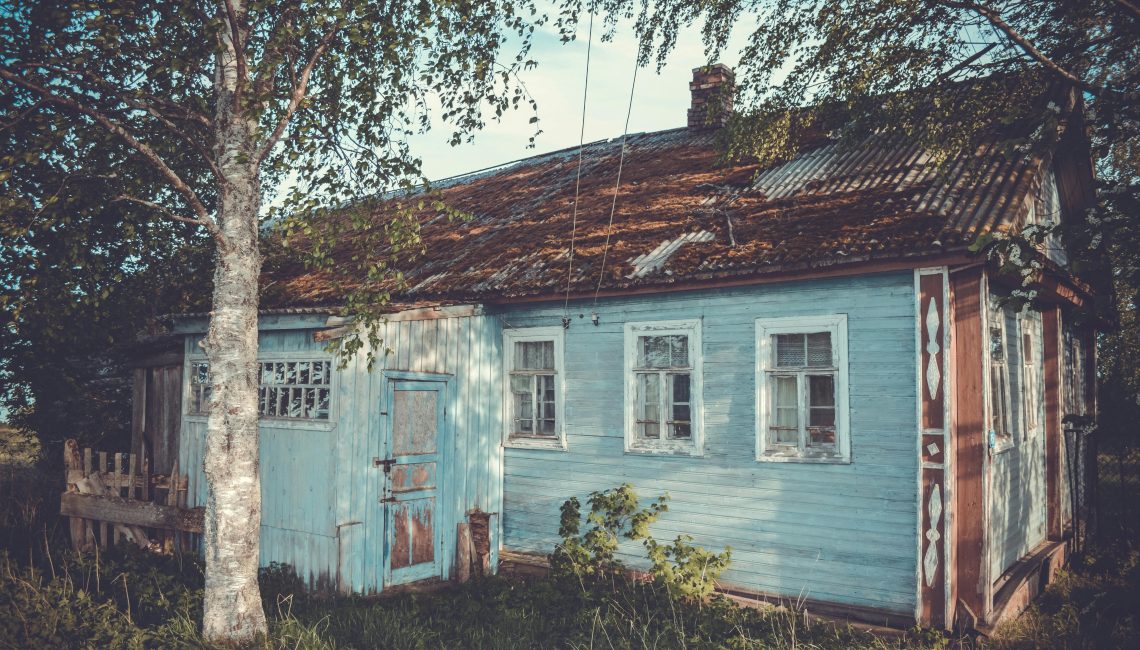
Whether it’s a cozy cabin tucked in the woods or a fully loaded chalet with all the bells and whistles, your cottage is your escape. It’s where cottage owners go to unwind, soak in the views, and enjoy the outdoors.

But no matter what time of year it is, there are many things that can happen to your cottage. Things like theft, vandalism, fire, and water damage are major risks for cottage owners. That’s why having the right insurance coverage matters. It means you can kick back and relax, knowing your home-away-from-home is protected.

But while insurance can help you recover after something happens, there are things you can do to help prevent events from happening in the first place. Here are some helpful tips on how to protect your cottage this summer.

Lock everything up when you’re away

A cottage is a great place to get away for a while, but it’s likely that you won’t be there for the whole summer. This means it may be sitting vacant for a good portion of the year. So, while it might seem obvious, we feel it’s worth repeating: lock up everything before you leave the cottage. That includes not just your front and back doors, but also windows, sheds, garages, and any outbuildings on the property. And if you have any outdoor furniture, be sure to put it into storage as well.

Thieves or vandals often look for easy targets, and an unlocked window or shed can be all it takes to invite trouble. While your cottage insurance may protect against things like theft and vandalism, preventing it in the first place can help you avoid having to deal with your insurance or risk an increase in your premiums.

Installing a basic alarm system or motion-sensor cameras can also add an extra layer of security and act as a strong deterrent when you’re not around.

Plus, locking up isn’t just about theft. A left-open window can invite in animals or pests, and it can ruin your belongings from weather damage.

Reduce your risk of fires

Fires can spread quickly, especially in rural or wooded areas where many cottages are located. While cottage insurance typically covers fire, it’s important to do your best to prevent it.

Start by testing your smoke detectors. It’s a good idea to replace the batteries at the start of each season. If you use a wood stove, fireplace, or fire pit, make sure you never leave a fire unattended and that you keep a fire extinguisher close by. Also, store any firewood away from the cottage.

It’s important to keep your property tidy, too. Things like dry twigs, piles of dead leaves, and tall, dry grass can all act as fuel if a spark from your bonfire lands on them. So make sure you maintain your yard by raking up debris after storms and mowing regularly, especially during hot, dry stretches.

Many cottage fires are caused by electrical issues, so make sure to inspect your electrical systems. Look for any exposed wiring, especially outside, where a squirrel may decide to nibble on it. Also, avoid overloading outlets and unplug small appliances when you’re not using them or are heading home.

Inspect your heating and plumbing

Even during summer, your cottage’s heating and plumbing systems need attention. Before your first visit of the season (and periodically throughout), you’ll want to check for any signs of leaks, corrosion, or damage. Next, look over any exposed pipes for cracks and make sure your water heater is working properly. If your cottage uses a furnace or wood stove, make sure you inspect the vents and chimneys to ensure they’re clean and there aren’t any obstructions.

Small issues can quickly escalate if left unchecked, especially if your cottage sits empty for stretches of time. A cracked pipe can quickly turn into a flooded cottage. Regular inspections can help prevent costly repairs and unnecessary insurance claims.

Inspect your roof and foundation

Your roof and foundation are your cottage’s first line of defence against the elements. At the start of the season, and after any major summer storms, use a ladder to inspect your roof and look for signs of damage or wear, such as:

  • Missing shingles
  • Sagging areas
  • Clogged gutters

For the foundation, take a walk around your property and look for signs of water pooling near the base of your cottage.

Inside, check for water stains on the ceiling or cracks in the walls or floors.

While cottage insurance can help cover the costs for water damage due to a leak in the roof or foundation caused by something like a severe storm, it does not cover damage due to neglect. That’s why it’s important to spot these signs early and have them taken care of.

Storm-proof your property

Speaking of summer storms, you’ll also want to storm-proof your property as much as possible. Start by trimming back overhanging or broken tree branches that could fall on your roof or power lines. Installing shutters can help protect your windows from flying debris. And speaking of flying debris, you may also want to secure any outdoor deck furniture, umbrellas, and other loose items that could become dangerous in high winds.

Check on your sump pump to make sure it’s working (if you have one), and check that your gutters and downspouts are clear so that they can properly direct water away from your foundation. While cottage insurance will protect your home from certain types of water damage, like a burst pipe, it may not cover flooding due to sewer backup or heavy rainfall.

It’s also a good idea to keep flashlights, extra batteries, and a basic emergency kit on hand, just in case the power goes out during a storm.

Review your cottage insurance coverage

Finally, another way to protect your cottage this summer is by ensuring you have the right coverage in place. While cottage insurance, like home insurance, isn’t legally required in Ontario, it’s essential for cottage owners. It can help cover you if your property is damaged by fire, storms, or theft, and it may also include liability protection if a guest gets injured on your property. It can also cover the contents inside, like your furniture, clothing, electronics, or seasonal gear.

So, if you already have a policy, now’s a great time to review it. For example, have you added new equipment or did you make any upgrades over the past year? If so, your coverage might need an update. And if you don’t have cottage insurance yet, contact the team at Oracle RMS for a free cottage insurance quote. We can help you find the right coverage at the right price for your needs.

Prepping Your Home for the Winter 101

It’s never a good idea to wait until the last minute to get your home ready for winter. Even if you’re not quite in cold-weather mode yet, taking steps now to winterize before the cold air hits can save you from some chilly surprises later on. If you’ve already tackled some of these tasks from our fall preparation blog, you’re ahead of the game. But if not, no worries! Here’s what you need to do to get your home ready for winter.

Winter home maintenance checklist

By prepping your home for winter in advance, you can stay cozy no matter how cold it gets—and save on your heating bill, too. Here’s our list of things to tackle before the winter weather arrives.

Inspect Your Roof and Gutters

As we mentioned in our fall home maintenance checklist, falling leaves can quickly block your gutters, and if you don’t clear them out, it can lead to water damage. Take some time to remove any debris, and while you’re at it, check your roof for loose shingles or potential leaks.

With the winter weather approaching, skipping this step could result in water getting trapped on your roof during heavy rain or snow, which can cause flooding. This might lead to serious roof damage or even allow water to seep into your home or garage, creating bigger issues. Taking care of your roof now can help you avoid costly water damage down the road.

If you decide to have your roof inspected by a professional, see if they can inspect your chimney as well (if you have one) for any compromised masonry.

Drain and shut off water sources

You’ll want to check all your outdoor water sources as well. Winterize your irrigation systems, drain and shut off any outdoor faucets, and be sure to disconnect and store your garden hose(s) to prevent freezing and damage. By properly draining and shutting off these outdoor water sources, you’ll lower the risk of pipes bursting when the temperature drops. Plus, storing your hoses properly will help them last longer and stay in good working condition.

Inspect Your Home and Property for Damages

Now’s a good time to inspect your home and property for any signs of damage. As we mentioned, while you’re cleaning the gutters, keep an eye out for roof issues. You’ll also want to check your foundation, siding, bricks, or interlock.

Broken patio stones can become hazardous in winter, and uneven surfaces increase the risk of slips and falls on ice. Even small dips in your driveway can turn into black ice. Take a walk around your property, spot any potential problems, and schedule repairs before winter weather hits.

Trim Trees and Clear Your Yard

Tree trimming isn’t just for looks—it’s an important safety step. If branches fall during a snowstorm, thunderstorm, or high winds, they could damage your home, or worse, injure someone or damage a vehicle. Don’t wait for an accident to happen before taking care of this task.

Remember, even if a tree looks healthy, it could still be in bad shape, increasing the risk of it breaking and causing harm to your home, property, cars, or family. If you’re unsure, it’s a good idea to hire an arborist to assess your trees and remove any limbs that might be dangerous during winter storms. This can help you avoid insurance claims from storm damage.

Also, clear away broken branches, dead plants, and any leftover foliage now so you don’t have a yard full of debris to deal with in the spring.

Inspect your Attic

Homeowners often focus on the outside when getting ready for winter, but it’s just as important to prep your house from the inside out. Before the temperatures drop, make sure your attic is properly insulated. This helps improve airflow throughout your home and keeps all that hot air from escaping.

Here’s a tip: When picking insulation, check the ‘R-value’—the higher the R-value, the better your insulation will be at saving energy. The Ontario Building Code recommends a minimum R-value of R-60 for attic insulation in new homes, which equals about 22 inches of loose-fill insulation or 16 inches of fibreglass batts. But for better energy efficiency and comfort, many experts suggest going up to R-70 or even R-80, especially if you have an older home.

Inspect Your Heating System

As the fall weather cools down and cold air starts creeping back, your heating system is going to be your go-to. It’s smart to have your furnace, wood stove, or boiler checked and serviced now before you really start relying on it. This not only helps prevent fire hazards but also keeps your system running efficiently, which can help you save money on heating costs and reduce risks.

Don’t forget to clean or replace your furnace filter too, since it’s probably collected dust over the summer. Aim to change or clean the filter every couple of months to keep things running smoothly.

And speaking of saving on heating costs, check if your ceiling fans can run in reverse. Doing so helps circulate warm air around your home and can help reduce your heating costs.

Inspect and Clean Out Your Fireplace

If you have a fireplace, make sure it’s clean and the flue is clear to prevent chimney fires. Check up the chimney for any bird nests or debris left by animals, as a clogged chimney can quickly become a hazard, causing smoke to fill your home or even leading to a fire.

For gas or electric fireplaces, inspect the heating units to ensure no small animals have chewed on any wires. It’s also a good idea to have a professional take a look at wood-burning stoves and fireplaces to make sure there’s no buildup in the chimney that could block smoke or cause a fire.

Inspect and Clean Your Venting Systems

Make sure all your vents are working properly. If someone is already up on your roof, have them check the attic vents, too. You’ll want to keep these vents open all year long. Besides helping to ventilate moisture, roof vents also regulate the temperature inside your home and prevent ice dams from forming on your roof, which can damage shingles and gutters.

Bathroom vents can trap moisture and cause rot, and the same goes for your dryer vent and kitchen hood fan. Also, double-check that the flashing around these vents is in good condition and securely in place. You’ll also want to make sure your external vents are all secured to prevent critters and other animals from trying to sneak into your home to get out of the cold.

Check your Smoke and Carbon Monoxide Detectors

Since you’re focusing on fire safety, now’s a great time to test your smoke and carbon monoxide detectors. Swap out the batteries if they’re low and make sure they’re working. It’s a good idea to check them at least twice a year, and one of those times should definitely be before winter.

During the colder months, you’re cranking up the heat, using space heaters, putting up extra lights and decorations for the holidays, and often cooking big family meals. Since cooking and heating equipment are the leading causes of house fires, it’s crucial to stay on top of this safety step.

Also, check that your fire extinguishers are up to date and ready to use—just in case.

Inspect Your Windows and Doors

Check the caulking and weather stripping around your windows and doors to ensure the sealant is still intact. Keep an eye out for any small cracks or gaps where you can see sunlight coming through or feel a small breeze. Warm air doesn’t just escape through the attic—if your home isn’t properly sealed, it can leak from other areas too. A tight seal around windows and doors not only helps you save on energy costs by preventing heat loss but also keeps moisture out and stops critters from sneaking in when the cold weather arrives.

You might also want to consider having a professional do a building pressurization test. This test lowers the pressure inside your home, helping to pinpoint exactly where air leaks are happening.

Also, did you know that adding curtains or drapes will help to preserve heat? If you love bare windows, you might want to rethink that as winter approaches. Keeping the curtains/drapes open during the day lets sunlight warm up your rooms, but closing them at night helps keep the heat in. Curtains act as a barrier against the cold, and the thicker they are, the better the insulation they provide.

Insulate Your Pipes

No one wants to wake up to a burst pipe. It can flood your home and leave you with a hefty repair bill. The thing is, not all pipes are insulated or built to handle freezing temperatures, making burst pipes a big worry during the winter months. The good news is that you can easily add foam insulation around your pipes, especially the ones on exterior walls, to keep the water inside from freezing and prevent pressure from building up, leading to freezing pipes that burst.

Prepare a Winter Emergency Kit

With winter weather on the way, bringing freezing temperatures and potentially dangerous conditions, it’s important to be ready for severe storms and possible power outages. While many people have an emergency kit stashed away in their car, not everyone has one in their home.

Having a home emergency kit can make a big difference. Canadian winters can be intense, and having an emergency kit ready can save you from scrambling if the power goes out. Here’s a list of essentials you’ll want to include:

  • Warm/thermal blankets, a USB heated blanket, or a sleeping bag
  • Emergency food and bottled water
  • Rechargeable battery packs and cables
  • LED flashlight and spare batteries
  • Battery-powered or crank radio
  • First aid kit
  • Candles and matches/lighter
  • Some basic hand tools, like a screwdriver, scissors, and pocket knife

Purchase any necessary tools and products

When winter hits, it’s important to have the right tools and gear to handle the challenges it brings. A sturdy snow shovel is a must for clearing driveways and walkways. If you have larger areas to clear, a snow blower can be a great investment. To improve traction on slippery paths, keep some sand or cat litter handy, and have a bag or two of salt to help prevent slips and falls on your driveway and walkways. Don’t wait until the first snowstorm to try and gather these items.

Review Your Insurance Coverage

If you live in Canada, you know how important it is to prepare for severe weather in the winter season. Winters in many parts of Canada are known for their frigid temperatures and heavy snowfall. That’s why, while preparing your home for winter, it’s also a smart time to review your home insurance policy. You’ll want to make sure it covers common winter issues like ice damage, burst pipes, or flooding.

Reviewing your insurance is just as crucial for winter storm protection as any other home maintenance. The cost of repairing your damaged home from a disaster like water damage due to melting snow or ice dams can be overwhelming, so it’s worth considering extra coverage if your current policy falls short.

If you have any questions about your home insurance or need to update your coverage, contact an Oracle RMS insurance broker. We’ll help you find the right policy by working with top local providers to get you the best home insurance quotes for your needs.

What To Do When Preparing Your Home for Fall

Spring might be the go-to season for a little extra home maintenance, but fall is just as important when it comes to getting your house ready for winter. By adding a few upkeep tasks to your autumn routine, you can catch any potential issues early and make sure your home is prepared for whatever winter throws your way.

Fall Home Maintenance Checklist

As the kids head back to school, the cold weather begins rolling in, and the leaves start turning vibrant Autumn colours; it’s the perfect time to prepare your home for fall and the winter season ahead. To help you kick things off, here are some of the top tasks to tackle as you prep for the season.

Inspect Your Roof and Gutters

Falling leaves can quickly clog up your gutters, which can lead to water damage if left unchecked. Take some time to clear out any debris and check your roof for loose shingles or potential leaks. If you’re cleaning the gutters yourself, be sure to use a ladder safely or get someone to help you out to avoid accidents.

Ignoring this task could mean that during heavy rain or snow, water gets trapped on your roof, which might cause flooding. This can lead to serious damage to your roof or even seep into your home or garage, creating even bigger problems. Keeping your roof in good shape now can save you from expensive water damage repairs later on.

Inspect Your Home and Property for Damages

As you start getting ready for the colder months, it’s a good idea to check your home and property for any signs of damage. While you’re cleaning out your gutters, you can look out for issues with your roof. You should also check your foundation, siding, bricks, or interlock. Broken patio stones can be a real hazard in winter, and uneven surfaces might lead to a higher chance of slips and falls on ice. Even small dips in your driveway can turn into black ice. Take a walk around your property, spot any problems, and get those repairs scheduled sooner rather than later.

Trim Trees and Clear Your Yard

Autumn storms can bring strong winds, making it more likely for branches to fall. It’s a good idea to trim any overhanging branches that could potentially damage your home or vehicles. Also, clear out broken branches, dead plants, and any leftover foliage so you’re not left with a yard full of debris to deal with in the spring. Taking these steps now can help prevent the need for insurance claims due to storm damage.

Keep in mind that trees might look healthy but could actually be in poor condition, which increases the risk of them breaking and causing damage to your home, property, cars, or even your family. If you’re unsure, consider hiring an arborist to check on your trees and remove any limbs that could pose a risk during winter storms.

Prepare Your Backyard Landscaping

As the winter weather approaches, it’s time to bring in and store any outdoor furniture or décor that can’t handle colder temperatures or wet conditions. Even outdoor fabrics can develop mould if they’re exposed to moisture all winter. And if you have potted plants, move them indoors or into your garage where it’s warmer so they can keep growing through the winter.

Also, if you live in a freezing climate, don’t forget to winterize your sprinkler system. If the water in the main pipe freezes, it can crack the valves or even the manifold, leading to expensive and time-consuming repairs.

Finally, close the outdoor water shut-off valves until the temperatures are consistently above freezing. Otherwise, any water in the pipes leading outside could freeze and cause them to burst.

Check Your Heating System and Air Conditioner

As the temperatures start to drop and the cold air makes its return, your heating system is going to become your best friend. It’s a good idea to have your furnace or boiler inspected and serviced now before the heating season. Keeping your system in good shape not only lowers the risk of fire hazards but also helps it run more efficiently, saving you money on your heating bills and reducing potential risks.

Also, don’t forget to clean or replace your furnace filter, especially since it’s probably gathered dust over the summer. Try to clean or change the filter every couple of months to keep everything running smoothly.

While you’re having your heating system serviced, it’s a good idea to have your air conditioning unit serviced, as well. This way, it’s ready to go for next summer when the hot temperatures return. Also, don’t forget to cover it once the fall temperatures have set in to protect it through the winter.

Clean Out Your Fireplace

If you have a working fireplace, make sure it’s clean, and the flue is clear. Look up the chimney to check for bird nests or animal debris. A clogged chimney can quickly become dangerous, leading to increased smoke inside your home or even the risk of a house fire.

Inspect the heating units of gas or electric fireplaces to ensure no small animals have chewed on the wires. It’s also a good idea to have a professional inspect wood-burning stoves and fireplaces to ensure there’s no buildup in the chimney that could block smoke or start a fire.

While you’re thinking about fire safety, it’s a great time to test your smoke detectors and carbon monoxide detectors. If the batteries are running low, go ahead and replace them. Also, take a moment to check your fire extinguishers to make sure they’re still up to date and ready to use.

Review Your Insurance Coverage

Finally, with fall comes the possibility of severe weather, so it’s a good time to review your home insurance. Make sure it covers common autumn risks like wind damage or flooding. Keep in mind that most standard homeowners and renters insurance policies don’t cover things like flooding, earthquakes, mudslides, or hurricane damage—you’ll need to purchase that coverage separately.

Checking your insurance is just as important for storm protection as any other home maintenance task. The cost of repairing damage from a single natural disaster can be overwhelming, so consider adding more coverage if your current policy doesn’t offer enough protection.

If you have any questions about your home insurance or want to update your coverage, reach out to an Oracle RMS insurance broker today. We’ll help you find the right insurance by working with top local companies to get you the best home insurance quotes for your needs.

Getting Ready for Boating Season: Tips for a Safe Summer

Boating season has officially arrived in Ontario, and for many, that means it’s time to uncover the boat, prep the jet ski, or launch the dinghy for another summer of waterfront adventures. Whether planning weekend escapes to the cottage or day trips to the lake, getting back on the water is a highlight of the season.

But before you set sail, it’s important to ensure your vessel and insurance coverage are ready. From preseason maintenance to stocking the right safety gear, a little preparation goes a long way in keeping your boating experience smooth and secure. We’ll walk you through the essential steps to get ready for boating season, stay safe on the water, and ensure your boating insurance from Oracle RMS gives you the protection you need.

Review Your Boating Insurance Coverage

Review your boating insurance policy before launching into another summer on the water. The upcoming season brings new adventures and risks, so now is the time to ensure you’re properly covered before the first family boating trip.

Start by reviewing the core components of your policy:

  • Liability coverage: Protects you in case your boat causes damage to another person or their property.
  • Collision coverage: Helps pay for repairs after an accident.
  • Comprehensive coverage: Covers non-collision-related incidents such as fire, vandalism, or storm damage.
  • Theft or accident coverage: Ensures your watercraft and equipment are protected against theft or unexpected events.

Every vessel and boater is different, so working with an experienced broker is valuable. At Oracle RMS, we can help you tailor a boat and pleasure craft insurance policy that aligns with your lifestyle, vessel type, and how often you go out.

Don’t overlook potential policy gaps, whether it’s outdated coverage limits or missing add-ons for towing, watersports liability, or trailer coverage. Speaking with a broker before the season starts ensures you’re not unprotected when it matters most.

When to Update Your Boating Insurance Policy

Boating insurance isn’t something to set and forget, especially as your lifestyle or watercraft needs evolve. Reviewing your policy before the season starts is the best time to ensure you have the right protection.

Here are a few scenarios that prompt a coverage update:

  • You purchase a new boat or upgrade your current one
  • You added more users to your boat
  • You plan to use your boat more frequently
  • You added accessories or made modifications
  • You changed where or how you store your boat

Connect with your Oracle RMS broker for a quick policy check-in. We’ll ensure your coverage is aligned with your current boating lifestyle, so you can enjoy the season confidently.

Common Boating Insurance Mistakes to Avoid

Even experienced boat owners can make mistakes when it comes to insurance, which can leave you exposed when you least expect it. Here are some common pitfalls to watch out for this boating season:

  • Saving money by underinsuring your vessel
  • Forgetting relevant add-ons like a trailer or accessories
  • Not listing all operators on your policy

Avoiding these mistakes helps you stay fully protected when something unexpected happens, saving you stress and money.

Prepping Your Boat for the Season

A smooth and safe boating season starts long before your vessel hits the water. Preseason maintenance isn’t just about performance, it’s about protecting your investment and ensuring every outing with your family is worry-free.

Here are the key areas every boat owner should inspect before the first launch:

Engine and Fuel System

Old or contaminated fuel can lead to performance issues or engine damage. Be sure to flush out stale fuel, inspect fuel lines for leaks or cracks, and check filters for clogs. You should also check for proper ventilation and cooling system function for inboard engines.

Batteries and Battery Cables

Test your batteries for charge and ensure they’re holding power. Inspect battery cables for wear or corrosion, and clean terminals as needed. Replacing weak or damaged batteries early can save you from a stalled boating trip.

Hull and Propeller

Look over the hull for any signs of cracks, dents, or blistering. Examine the propeller for dings or bends that could affect performance, and tighten any loose fasteners.

Electrical Connections

Double-check all visible electrical connections for secure fittings and signs of corrosion. Faulty wiring can quickly turn into a safety hazard once you’re out on the water.

Creating and following a seasonal maintenance checklist ensures you don’t overlook important details. A little preparation now helps you prevent costly repairs or disruptions during peak boating time.

Safety Equipment Checklist

No matter how experienced you are, the right safety equipment can make all the difference in an emergency. Before you take your boat out this season, ensure all your gear is onboard, up to date, and working properly.

Here’s a checklist of essential safety items every boater in Ontario should have:

  • Canadian-approved life jackets for every person onboard with proper sizing and fit
  • A stocked first-aid kit to handle minor injuries or medical issues until help arrives
  • Emergency flares and signaling devices, like a whistle or horn, to attract attention in low visibility or emergencies
  • A fire extinguisher that is accessible, fully charged, and rated for marine use
  • A reliable anchor and line to help you stay in place if your engine fails
  • Navigation lights for safe operation in low-light or nighttime conditions
  • A functioning bilge pump to remove unwanted water from the hull

Don’t forget to regularly check and maintain your navigation equipment, including GPS or compass systems, to stay on course and avoid hazards. Ensure all equipment, especially lights and signaling devices, is working properly before you take the boat out each time. Being prepared is key to protecting your passengers, vessel, and peace of mind.

Additional Boating Safety Tips

Even with your boat in top shape and your safety equipment ready, smart boating habits are just as important. These extra precautions can help ensure every outing is as safe as it is enjoyable:

  • Check the weather forecast before each trip, and avoid heading out in rough or unpredictable conditions
  • Never boat under the influence of alcohol or drugs
  • Maintain a safe speed and stay alert for other boats, swimmers, and obstacles
  • Take a boating safety course to improve your knowledge and confidence
  • Let someone know your float plan, including your destination, expected return time, and contact info

Responsible boating keeps everyone safer and ensures your boating memories are great ones.

Seasonal Storage and Off-Season Prep

Preparing your boat for storage at the end of the season is just as important as getting it ready to launch. Proper seasonal storage protects your vessel from damage during the off-season and can even impact your insurance premiums and claims.

Here are some tips for storing your boat safely:

  • Clean and dry your boat thoroughly to prevent mold, mildew, and corrosion
  • Drain fuel tanks and run the engine dry to avoid stale fuel buildup and engine damage
  • Disconnect batteries and store them in a cool, dry place to prolong battery life
  • Cover your boat with a high-quality, breathable cover to protect it from the elements without trapping moisture
  • Inspect and secure the hull and trailer, ensuring everything is stable and protected from weather or pests

Taking these steps can reduce the risk of damage claims during the off-season and may even lower your insurance costs. Insurers view well-maintained boats as a lower risk to secure. Be sure to notify your Oracle RMS broker about your storage plans, as some policies offer adjusted premiums or coverage options for off-season periods.

How Oracle RMS Can Help You Stay Covered

At Oracle RMS, we understand that no two boaters or boats are exactly alike. That’s why we offer local expertise and personalized boating insurance solutions tailored to how and where you enjoy the water.

By working with a dedicated Oracle RMS broker, you benefit from expert policy reviews, guidance on policy options, and support during the season. We work closely with you to understand your needs and build a tailored coverage plan that matches what you want.

Ready to review your policy or get a quote? Contact us today to get started with a boat and pleasure craft quote.

Happy New Year! Now that it’s 2023 and we’re beginning a brand new decade, this means it’s time for new goals and resolutions. Some examples of the most common New Year’s resolutions are to live life to the fullest, save more money, get organized and more.

While starting a new decade may seem exciting and motivating to many, have you looked at the bigger picture and thought about making sure you’re covered by purchasing the right type of insurance for 2020? Although majority of Canadians have insurance  in one form or another, surprisingly, there are few who would rather take the risk than be protected or they simply ignore getting insurance as they believe it is too expensive. However, having insurance should be part of your New Year’s Resolution because it will ensure you are financially secure to face any type of problem that may occur in life.

Below are the most important types of insurance policies you should purchase:

  1. Home Insurance

The biggest purchase that you’ll ever have to buy is a home. With home insurance, you will protect your home and the contents in it against unexpected risks. It will also protect you from paying a large sum of money in the event of serious damage caused to your home or destruction. Personal liabilities like slip and falls on your property or inside your home, damaging a third party’s property or accidentally injuring someone else are examples of what home insurance will cover. For those who don’t own a home and are currently renting, it is essential to have tenant insurance, which will provide coverage for the renter’s belongings and liability. For more information on tenant insurance, click here.

  1. Auto Insurance

For all car owners, auto insurance is not only a requirement, but it is also mandatory in all of Canada. Driving without insurance is a very serious offence and can result in a fine of a minimum of $5,000.00. Auto insurance will provide coverage for all listed drivers on the vehicle, the vehicle itself and any loss or damages. It will cover you if you’re involved in a car accident with another vehicle that also has damages or if someone is injured, including yourself. With the help of your insurance company, they will help provide the medical and rehabilitation care, financial assistance if you are unable to work and financial protection if you’ve hurt someone that results in a lawsuit.

  1. Life Insurance

There comes a time in life, where you are no longer making decisions for yourself. Eventually you will make decisions for your family instead. In doing so, you will want to put some thought into purchasing life insurance. It can protect the financial security of your family by giving them a tax-free payment after you’ve passed away. The amount and type of coverage you choose will depend on your needs and circumstances since there are four types of life insurance policies that you can purchase: term life insurance, permanent life insurance, participating life insurance and universal life insurance. Keep in mind that life insurance is age-branded, which means that as each year passes by, your policy can become more and more expensive. In addition, the cost of these four types of life insurance also depends on your gender, health, medical history and lifestyle.

  1. Health Insurance

Changes in your health can impact your financial plans. By purchasing health insurance, you will receive coverage that protects your savings from the many healthcare costs not covered by government plans. According to Health for All, there are an estimated 200-500,000 people in the country that do not have health insurance. This is a shocking number for many as Canada is known for their universal health-care program.

  1. Disability Insurance

There are four types of health insurance products that provide protection you could potentially need later on in life. The one you should most likely consider is disability insurance. This is because it will help protect your income, in case you’re no longer able to work temporarily or permanently, due to a life changing injury or illness. By contacting your Oracle RMS licensed broker, you will receive more information on the different types of disability insurance coverage options that are available.     

Worried About Cost?

If part of your New Year’s Resolution is to also save more money, take advantage of the insurance discounts you can get on your home and auto insurance policies. For example, when you combine your home and auto insurance from the same insurance company, you are qualified to receive a discount to lower your overall premium! For more available discounts on your home insurance policy, click here. In addition, for more available discounts on your car insurance policy, click here.

Contact Oracle RMS Today!

The types of insurance products to have are reflected on what’s most relevant for you, your situation and your lifestyle. It truly depends on a number of factors. By contacting Oracle RMS on purchasing insurance, we will advise you on what coverages to have and what coverages to not have, considering that some insurance companies will insist you purchase unnecessary coverages. We will also provide information on optional coverages that are available.

All in all, by ensuring you are insured and secured, there’s no doubt you will achieve your 2023 New Year’s resolution!

Is High Valued Inherited Jewellery Covered by Home Insurance?

As part of a standard home or renter’s insurance policy, the policyholders’ belongings are covered, to some degree, by a component of their coverage known as  the contents coverage. However, your contents coverage has limits as to what it will cover and to what extent. Certain personal items that you own may only be insured up until a specific dollar amount, which can leave out more expensive valuables, such as your inherited jewellery, antiques, rare collectible items, diamond engagement ring or a rare designer  watch.

In short, high-value items may not be always sufficiently be covered under your standard home insurance policy. You may need to protect high-value collections and possessions by purchasing additional coverage.

Here are the steps you need to follow to ensure that your high value  items are covered, in addition to some tips on how to get your jewellery properly assessed.

First of all – check your policy coverage limits.

The first and foremost important step in ensuring your high valued items are covered by your home insurance is to review your coverage. You can do this on your own or you may enlist the help of an Oracle RMS expert. Many home and renter’s insurance policies include coverage that  will help to replace your personal property if it is lost or damaged because of an unexpected loss due to insurable perils. In other words, your belongings, such as furniture, electronics, clothing, and more will be covered by your existing policy, but all items will be subject to a personal property coverage limit.

To ensure that your belongings are all properly covered, you’ll want to do a list of what you own and roughly estimate how much each item costs. Compare this amount to the personal property coverage limit detailed in your policy.

Your policy’s wording may specifically exclude some valuable items, like jewellery, or only cover them up until a specific amount by your standard home or renter’s insurance. Be aware of limitations like this and be sure to note if your coverage limits are exceeded by the value of your high-value belongings. This will be important to remember for later when determining whether or not you’ll need to purchase additional coverage.

Pinpoint high-valued items that have special limits

Some items listed on your policy have set coverage limits. These may be referred to as Special Limits. Any of the following items could be subject to Special Limits:

  • Furs
  • Collectibles
  • Watches
  • Jewellery
  • Stamp collections
  • Coin collections
  • Art collections
  • Wine collections
  • Bicycles
  • Handbags
  • Purses

If you own a ring that’s worth over $10k and your policy contains a Special Limit that only covers high-valued jewellery for mysterious disappearance and theft or vandalism up to $6,000, you’ll have to pay the remaining costs out-of-pocket for a worthy replacement.

The average coverage limit for all your high valued items, including gems, watches, jewellery, etc., is between $3,000 and $6,000. If your belongings within this category accumulate to a higher amount, it’s vital that you consider updating your home insurance by purchasing extra coverage to ensure that you’re fully covered.

Have your high-valued items appraised by a professional appraiser

What your high valued items might be worth is not necessarily the same price as what you purchased them before. It is important to get the items appraised by a professional appraiser.. You’ll want to do your research to find the appropriate appraiser for the job and ensure they’re certified and Expect to pay a fee for your appraiser’s work.

After the appraisal has been done, keep a record of their report to show your broker later.

Reach out to your broker about a jewellery rider

If you have determined that your existing property insurance coverage is not enough to cover your high- valued items, then it’s time to arrange a phone call with your trusted home insurance broker. You may be able to purchase an add-on to your existing property coverage known as a jewellery rider or floater which will extend your coverage limits to ensure your high valued items are sufficiently insured.

You can also purchase standalone jewellery insurance to fill in any gaps left behind by your existing home or renter’s insurance if a damaged, lost, or stolen item costs you too much to replace. Investing in jewellery insurance or even a floater will save you from having to pay out of pocket to replace your items. A standalone, dedicated jewellery insurance policy may cost more than a rider but will offer fuller protection. Some benefits of jewellery insurance include:

  • You may have a separate, lower deductible than if you purchased a rider
  • You’ll have better protection for your jewellery than you would with regular home insurance
  • You will receive repair and replacement coverage
  • Jewellery insurance covers most applicable risks to jewellery, including things like disappearance, theft, damages, gems falling out, destruction, etc.
  • It’s more affordable to pay for jewellery insurance than it is to repair or replace your high valued items, especially if you own numerous pieces of jewellery, collectibles, etc.

Discuss with your insurance provider about what option is best for you.

Get comprehensive home insurance coverage with Oracle RMS

Purchasing a home  is one of the biggest decisions in life. It is important for all homeowners to obtain a comprehensive home insurance policy to protect their most valued asset. Homeowners should be confident  that their insurance,  policy is sufficient and covers all that they need it to protect. With Oracle RMS, peace of mind can be a reality. Get a free home insurance quote from our trusted insurance partners today.

[CTA/Get a Quote]

Picture this:

You’re driving your car as usual when suddenly you hear the telltale sound of an engine that’s struggling to keep going. It’s late. You’re not sure if you can make it to your destination. What do you do?

Roadside assistance is a valuable service for anyone who drives on a regular basis. Keep reading to learn more about what roadside assistance can do for you.

What Is Roadside Assistance and How Does It Work?

Roadside assistance is a 24/7 service that can call whenever you have car issues. Some of the situations a roadside assistance service can help you with include:

  • Locksmithing services if you ever lock yourself out of your car
  • Gas refills 
  • Dead batteries
  • Flat tires
  • Towing in cases of mechanical failure

As fantastic as this list might look, however, it does come with certain caveats. For starters, the towing range might be restricted. And for another, you may be limited to making just a few calls each year. Even so, however, roadside assistance can be useful to have in a pinch.

Some of Ontario’s most popular roadside assistance operators include:

  • CAA
  • Canadian Tire Roadside
  • Costco

Here’s How You Can Stay Safe

Let’s say that the worst has happened and your car has broken down by the side of the road. Here are some steps you can take to stay safe as you wait for help:

  • Take Immediate Action: The only thing worse than a car with engine failure is a car with engine failure that’s stopped in the middle of the highway. If you have reason to believe that your car is in trouble, be proactive and pull over as soon as it’s safe to do so. 
  • Be Mindful of Traffic: When you’ve got car problems, it’s only natural to open the door and look around. If you must step out, watch for any incoming cars when you open your door. 
  • Have Supplies in Your Car: If you keep your car stocked up with items like food, water, spare tires, blankets, and first aid kits, you can make your wait as stress-free and comfortable as possible.

Do You Have Roadside Coverage?

In many cases, Ontario drivers can get coverage through annual memberships or credit card perks. However, depending on the details of your policy, your auto insurance policy may give you roadside assistance coverage.

Upgrade Your Auto Insurance With Oracle RMS

Whether you’re taking out a new auto insurance policy or renewing a current one, Oracle RMS can help you find the right auto insurance for your needs and your budget. Request your FREE auto insurance quote today. 

With borders reopening and vaccines being rolled out faster than people can book appointments, more and more people are booking flights and planning to leave the country for the first time in literally over a year. 

But what can travellers expect in 2021? Here’s what you need to know about travelling in a post-pandemic world.

5 Key Travel-Related Changes You Should Know About

1. Mask Mandates

Before the pandemic, masks weren’t an everyday thing in Canada. Fast forward to today, and you can’t shop in certain stores without some sort of a face covering.

Even if you’re travelling to a place where mask mandates are unlikely to be enforced, your airline may require you to wear a mask while onboard. It may be uncomfortable, so you should be prepared.

2. Negative COVID Tests or Proof of Vaccination

In places like Quebec or BC, you may need a vaccine passport in order to get around. And if you haven’t been vaccinated, airlines may require you to take a test within a certain timeframe before they will allow you to board.

3. Country Admission Requirements

The U.S. recently made headlines after announcing its plan to reopen its borders to fully vaccinated Canadians. But vaccination status only tells half the story.

In Europe, there’s a list of approved vaccines that people must take. And in cases where vaccination status isn’t an issue, there are still questions about whether mixed-dose vaccines are enough for travel.

As countries continue to update their vaccination requirements, entry standards will likely continue to change.

4. Quarantining Rules

As of September, the mandatory quarantine requirement has been lifted for vaccinated Canadians and travellers alike. However, if you’re not vaccinated, you may be required to self-isolate both in your destination country and when you return to Canada.

5. Travel Insurance is a Must-Have

Because COVID-19 is an airborne illness, it’s easy to catch an infection while partaking in normal activities. However, between hospital stays, travel delays, and the cost of care and medication, you could be faced with a hefty bill at the end of your trip. Travel insurance can keep you protected throughout your travels.

Cover Your Bases With Oracle RMS Travel Insurance

In a world where everyone is concerned about the next variant or the next wave, it’s important to be informed at all times. Here at Oracle RMS, we’ll keep you posted on all the latest news and developments around COVID. And then we’ll go above and beyond to ensure that you have the right kind of travel insurance. 

Request your FREE travel insurance quote today.

Alongside the mortgage, taxes, and utility bills, home insurance is an expense that just about most homeowners have to contend with. Most of the time, qualifying for a home insurance policy is as simple as finding a provider, requesting a quote, and making your payments.

But when you’re a high-risk homeowner, finding home insurance isn’t always so easy.

Could you be a high-risk homeowner? Is there anything you can do to find an insurance provider?

We’ve got the answers for you right here.

Are You a High-Risk Homeowner?

There are two general reasons why an insurance provider might classify a homeowner as high risk:

  1. They have concerns about the homeowner
  2. They have concerns about the house

If you’ve had a history of making claims or you’ve missed payments and had your policy cancelled in the past, the insurance company may consider you a risky client. In addition, personal details like how many mortgages you have, your previous experience as a homeowner, or the presence of a criminal record can be enough to give insurers pause.

However, on top of their evaluation of you as an individual, sometimes insurance providers may be concerned about the house or the general area you’re moving into. Is it a rural home in an area that’s known for seeing tornadoes? Does the house have structural damage or is it old? Are you purchasing this as a vacation home?

In short, the high-risk homeowner designation covers a wide range of people.

How Does Being a High-Risk Homeowner Affect Your Home Insurance?

When it comes to home insurance, being high-risk often means that you’ll be expected to pay a higher rate. And depending on the situation, some insurance providers may also decide against offering you coverage.

Here’s What You Can Do If You’re a High-Risk Homeowner

Fortunately, even if you’re considered a high-risk homeowner, there are still steps you can take to save on insurance while establishing yourself as a reliable insurance client:

  • Try to avoid filing claims if you don’t have to
  • Have a home renovation list that includes foundation repairs, upgrades to the siding and roofing, and improvements to your electrical systems
  • Purchase non-aggressive dogs that aren’t on Ontario’s list of banned breeds
  • Make your payments on time

Are You Looking for High-Risk Home Insurance? Oracle RMS Can Help!

If you’re trying to insure your home as a high-risk homeowner, we can help you find coverage through our extensive network of insurance providers. Get your free home insurance quote today.

High-Risk Home Insurance by Location