According to the Insurance Bureau of Canada, 50 percent of renters do not have tenants insurance (also known as renters insurance). This is because most tenants forget to think about insurance and the cost of it when they’re already trying to balance their rent and additional expenses. Sometimes, they believe that their landlord’s insurance covers them as well. Most people are unaware that a landlord’s insurance only covers the structure of the apartment and not the contents within. Typically, a landlord will require tenants to have insurance as a rental condition in their lease, but that is not often the case.

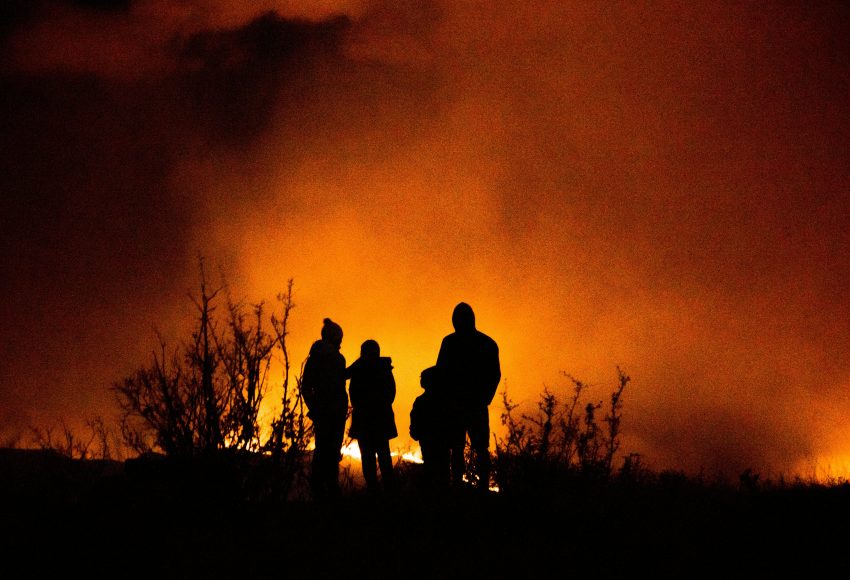
When an unfortunate circumstance such as a fire in a building occurs, that’s when tenants become aware of tenants insurance and regret that they never applied for it ahead of time. That is why it is important that renters should know about why they need tenants insurance.

Outlined below are facts that many people do not know about tenants insurance:

  1. Landlord Insurance Is Not For Tenants

A landlord’s insurance only covers the structure of the apartment and not the contents within. Therefore, they are not responsible for covering the costs of their tenants’ possessions. If their tenants do not have insurance, their tenants will essentially lose everything.

  1. Tenants Insurance Will Legally Cover Property Damage

All tenants are responsible for any property damages caused to any part of your building and for unintentional harm caused to neighbours or visitors.  Tenants insurance will cover major damages such as an accidental fire or a slip and fall on the property.

  1. Your Belongings Are Worth More Than You Think

Every item you purchase adds up. Tenants should tally up the cost of clothing, electronics, sporting equipment, furniture, appliances and much more to know the exact value of their belongings or else they’ll have to repurchase all items. Should a fire occur, tenants insurance can replace all items.

  1. Contents Coverage vs. Additional Living Expenses Coverage

Tenants may not realize that there is a difference between contents coverage and additional living expenses coverage. Both are equally important coverages to have, especially when the tenants building is being repaired or rebuilt. Contents coverage insurance will pay for damages or loss of possessions while located in your home or temporarily away from your home. While additional living expenses coverage are expenses like food, hotel or rental home charges and other costs you wouldn’t normally face while living in your own home.

  1. Affordability

Tenants should keep note that the risk of being uninsured verses being insured is more affordable than they think, which can definitely help them in the long run.

All in all, it is wise to stay protected and get tenants insurance. Whether you are renting for the first time or currently have tenants insurance, it is important to be informed and get a quote. Contact one of Oracle’s licensed insurance brokers today to receive a policy that fits your needs and budget!

Whether you’re going on a holiday in the sun or hitting the slopes for a winter getaway, it’s important to make sure you’re protected and insured. You can enjoy your holiday with peace of mind knowing that you’re safe and secure with the following insurance coverages below:

  1. Travel Insurance

    Travel insurance should always be at the top of your list of coverage to have while on your holiday. By purchasing this, it will provide coverage for the widest range of unexpected travel situations. There are different types of travel insurance packages, which depend on what coverage you may want. Most packages will provide coverage for medical emergencies, trip cancellation and interruption, baggage loss, damage and delays and flight and travel accidents.

  2. Trip Cancellation and Interruption Insurance

    In relation to travel insurance, purchasing trip cancellation and interruption insurance policy is also an important type of coverage to have. This coverage is for non-refundable trip expenses if your trip has been cancelled or interrupted. Should something unexpected happen before your departure, having this type of coverage will reimburse your deposits and cancellation penalties that have been charged. Should something happen after your departure, it will cover extra costs to return home sooner or later than planned and for non-refundable portions of unused prepaid travel arrangements. Other expenses such as hotels, meals, transportation fares and more will be reimbursed if a covered situation (business trips) may occur.

  3. Home/Tenants/Condo Insurance

    Even when you’re not physically home, your home, tenants or condo insurance can keep you protected on your holiday. For example, if your suitcase has been stolen, your suitcase and the belongings inside are protected under your insurance when you’re travelling. However, you must have an enhanced or comprehensive policy in order to be covered. Make sure you check your policy ahead of time to see what’s covered.

  4. Car Rental Insurance

    Plan on renting a car while on holiday? All car rental businesses always offer different types of insurance coverage for their clients. Depending on what the renter chooses, the two main types of car rental insurance are Liability insurance or Collision and Loss Damage Waiver insurance. Choosing Liability insurance will cover the renter from paying any damages, a stolen car or injuries they may inflict on other people and their property, while driving the rental car. Choosing the Collision and Loss Damage Waiver insurance will only cover the car being driven. Should something happen to the car, such as fire, theft or an accident, the costs will be paid for by the renter.

  5. Health and Life Insurance

    Should there be an unfortunate circumstance that occurs while on your holiday, it is best to have health and life insurance. With health insurance, it will provide coverage that protects you from healthcare costs not covered by government plans. There are four types of health insurance products to provide you with the protection you may need such as personal health insurance, critical illness insurance, long term care insurance and disability insurance. Meanwhile, life insurance will protect the financial security of the people you love by giving them a tax-free payment after you’ve passed away. With life insurance, you are able to choose from many types of coverages and amounts. This will vary by what you’ve decided in terms of what your needs and budget are.

If you do plan on going away for the holidays, know that having these insurance coverages should be the next step in your planning process once you’ve booked your trip. If you have any questions or want to update your current coverage, especially with the holiday season quickly approaching, contact an Oracle RMS licensed broker today!

Content courtesy from the Economical Insurance website.

One of the most common myths about home insurance is that renters just don’t need it, plain and simple. But whether you’re a first-time renter or you’ve been renting your space for years, you should know that your landlord’s insurance policy is probably not designed to protect you or your stuff. You’ll need your own insurance for that — and that’s where tenant insurance comes in.

If you’re ready to get set up with your own tenant insurance policy or if you want to learn more about how tenant insurance works, reach out to a licensed broker. Your broker can do the research for you and help you find the right policy to suit your needs. If you’ve never connected with a broker, you can find one here.

Are you a post-secondary student or do you have dependent children who live away from home while attending college or university? Many standard home insurance policies are designed to protect students who are living away from home and attending post-secondary programs. Talk to your broker to learn more.