Summer is prime time for travel, with Ontarians jetting off abroad or discovering new spots closer to home. But amid the excitement of booking flights and packing bags, travel insurance often slips through the cracks–until it’s urgently needed. From unexpected medical emergencies to delayed flights or lost luggage, the right travel insurance can protect your plans and provide peace of mind. Before you go anywhere this year, ensure you’re protected to explore confidently and enjoy your travels.

What Is Travel Insurance?

Travel insurance is a type of protection that helps cover unexpected events that can happen before or during your trip. It can save you from costly surprises, such as needing emergency medical care, canceling your vacation at the last minute, or losing your luggage along the way.

Depending on your plan, travel insurance may cover:

  • Medical emergencies while traveling
  • Trip cancellations or interruptions
  • Lost, stolen, or delayed baggage
  • Travel delays and missed connections
  • Accidents and emergency evacuation

Coverage depends on whether you’re traveling within Canada or abroad. While your provincial health plan may offer limited support for travel within the country, it won’t cover everything, especially when it comes to emergency medical expenses. Once you’re outside Canada, that coverage becomes even more limited or nonexistent. That’s why having the right travel insurance is essential to protect yourself wherever your journey takes you.

Why Travel Insurance Matters More in Summer

Summer is one of the busiest travel seasons, which means crowded airports, fuller flights, and a higher chance of things going wrong. Increased travel volume often leads to more delays, lost baggage, and overbooked accommodations, turning an exciting getaway into a stressful situation.

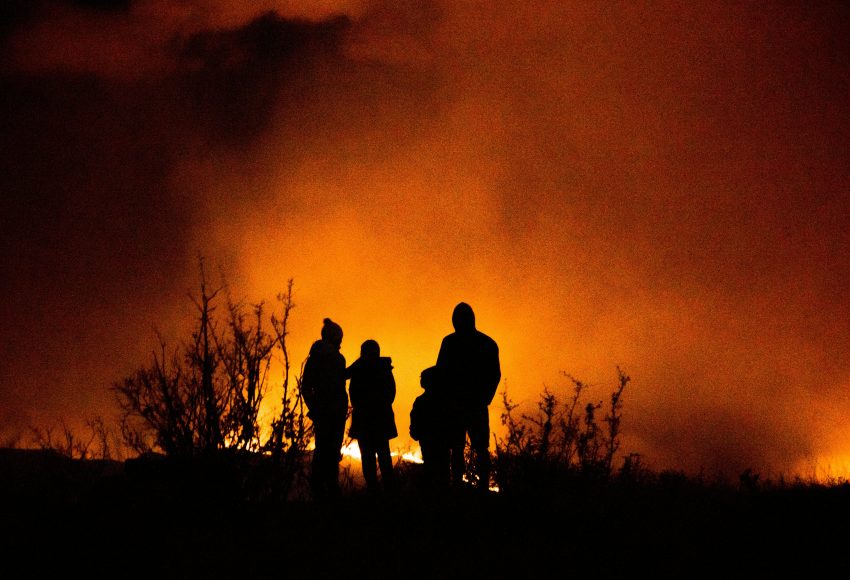
Seasonal risks also play a role in needing more protection. Summer-related claims often include flight disruptions due to storms or wildfires, heat-related illnesses, and other weather-related emergencies that can derail your plans.

If you’re traveling outside of your province or abroad, medical care can be expensive, especially without proper coverage. A single emergency room visit or hospital stay can quickly turn into thousands of dollars out of pocket. It’s essential to purchase travel insurance to protect your vacation and wallet, regardless of where you’re going.

Key Types of Travel Insurance Coverage

Not all travel insurance is the same. Here are the most common coverages that can help protect you from unexpected issues during your travels.

Emergency Medical Insurance

This covers the cost of emergency medical treatment if you get sick or injured while traveling. Travel medical insurance is especially important when traveling outside your province or country, where healthcare costs can be high and not covered by your provincial government health insurance plan.

Trip Cancellation & Interruption Insurance

Trip cancellation and interruption insurance help reimburse non-refundable travel expenses if you need to cancel or cut your trip short from illness, injury, family emergencies, or natural disasters.

Baggage Loss & Delay Insurance

This coverage provides compensation if your luggage is lost, stolen, or delayed, helping you replace essential items and avoid added stress during your trip.

Travel Accident Insurance

Travel accident insurance offers financial protection in the event of accidental death or serious injury while traveling.

Rental Car Damage Protection

If you plan on renting a car, it covers damage or theft to the rental vehicle. It can help you avoid paying out-of-pocket or relying solely on credit card coverage, which may be limited.

Travel Assistance Services

This offers practical help when you need it most, such as finding medical care, replacing lost documents like your passport, or arranging emergency transportation home.

Who Should Get Travel Insurance

Travel insurance isn’t just for international jet-setters. It’s for anyone who wants peace of mind on vacation. No matter your travel style or destination, unexpected events can happen. Here’s who should consider getting coverage:

  • Solo travelers: Traveling alone means you’re solely responsible if something goes wrong. Travel insurance can help you stay protected without backup.
  • Families: There’s more at stake when you’re traveling with kids. From minor illnesses to lost bags or canceled plans, family-friendly coverage helps keep everyone safe.
  • Seniors and snowbirds: As you age, the risk of medical emergencies increases, especially when traveling for extended periods. Specialized travel insurance can help cover pre-existing medical conditions and out-of-country care.
  • Students studying abroad: Being far from home comes with added risks. Travel insurance can help cover medical costs, trip interruptions, or emergency travel home.
  • Road-trippers within Canada: Even if you’re staying within the country, your provincial health plan may not cover everything in other regions. Travel insurance fills those gaps and can also help with trip cancellations or unexpected delays.

How to Choose the Right Travel Insurance

Choosing the right travel insurance starts with understanding your trip needs. The right coverage depends on factors like:

  • Destination: Medical costs and travel risks vary between countries and provinces.
  • Trip duration: Longer trips may require extended coverage or more comprehensive protection.
  • Type of trip: Are you going on a cruise, backpacking, a family vacation, or a business trip? Different trips have different risks.
  • Existing health conditions: Ensure your plan covers pre-existing conditions or medications you may need.

You also want to decide between a single-trip plan and a multi-trip plan, which is ideal if you travel frequently throughout the year.

Not sure what you need? That’s where Oracle RMS comes in. Our experienced advisors take the guesswork out of travel insurance by helping you compare options for your travel style, budget, and health needs.

How Much Does Travel Insurance Cost?

Travel insurance costs vary based on your destination, trip length, age, type of coverage, and existing health conditions. Generally, the price reflects the level of protection you choose and the risks involved in your trip.

While it’s an additional expense upfront, travel insurance can save you significant money and stress if unexpected events occur. Think of it as an investment in peace of mind, protecting you from costly surprises so you can fully enjoy your travels.

Get Covered Before You Travel

The best time to secure travel insurance is before you start your trip planning. Early coverage ensures you’re protected from unexpected events, whether it’s a sudden illness, travel delays, or cancellations.

At Oracle RMS, we’re here to help you navigate your options and select the travel insurance plan that fits your unique needs. Our expert advisors provide personalized guidance, so you get the right coverage.

Don’t wait until it’s too late. Get peace of mind today and travel with confidence.

Get a travel insurance quote, or contact us to learn more about your options. Your perfect trip starts with the right protection.


Some people work a job. Some people pursue their passions.

As a photographer, you can say that your job is your creative passion.

However, over the course of your workday, there are a lot of moving pieces that go into organizing and executing a professional-quality photoshoot. 

You just never know when you’ll be suddenly exposed to liability.

Here’s what you need to know about getting the right insurance for your photography business.

Why Do Photographers Need Insurance?

Here are a few reasons why every photographer should have some form of insurance:

  • Your Equipment Is Expensive: Photography setups are like snowflakes. Every photographer likes different things. Cameras, lenses, and other studio accessories can be expensive to buy and tough to replace. If anything ever happens to your equipment, it’s a lot easier to cope when you know that your equipment is insured.

  • You’re Working With a Lot of People You Don’t Know: The nice thing about being a photographer is that no two days are ever exactly the same. But when you’re constantly working with people, there are certain risks involved. Someone could trip on your camera bag or get hurt while in your studio. Insurance can cover your legal defence in these types of situations. 

  • You Never Know When Something Could Go Wrong: As a creative professional, it goes without saying that you always do your best to deliver high-quality photography services. But even so, mistakes can still be made. Your developer could lose the photos or there could have been an oversight during an especially chaotic shoot. Insurance can give you an extra bit of financial protection. 

Four of the Insurance Options That Photographers May Want to Consider

  • Commercial General Liability: If you own a studio or work out of a physical office, this insurance type can cover the cost of litigation and/or judgements awarded if a third party sustains property damage and/or physical injury. 

  • Commercial Vehicle: If you spend time traveling between locations for work, your personal car insurance may not be able to protect you if you’re ever in an accident. Commercial vehicle insurance, on the other hand, can.

  • Professional Liability: Also known as Errors & Omissions insurance in some circles, if a photo were to be lost due to a mistake during development, this is more than likely the insurance policy that you would be relying on for coverage.

  • Cyber Insurance: If you store client photos in the cloud or your clients pay you through online avenues, a data breach could have serious privacy implications and legal consequences. 

Conclusion


Oracle RMS offers photography insurance that’s designed to accomodate the unique needs of your business. Contact us if you have any questions. We’re here to help!

Since March Break is right around the corner, families are in the midst of preparing everything that goes along with traveling off to a new destination for the week, such as running some last minute errands needed for their trip, getting the whole family packed and getting to the airport as early as possible, since the Friday before March Break is usually the busiest travel day for all.

However, before even arriving at the airport, it’s important to have insurance to ensure that all individuals are protected and insured. Enjoy your March Break vacation with peace of mind knowing that you’re safe and secured with the following insurance coverages below:

  1. Travel Insurance

Travel insurance should always be purchased after you’ve booked and paid for your March Break vacation. In doing so, travel insurance will provide coverage for unforeseen travel situations such as medical emergencies, trip cancellation and interruption, baggage loss, damages, delays and flight and travel accidents. However, travel insurance coverage depends on the type of coverage you may want since there are different types of packages available.

  1. Health Insurance

By having health insurance coverage, it will protect you from healthcare costs that are not covered by government plans, should there be an unexpected illness that occurred while on your vacation. It should be noted that there are four types of health insurance products to provide protection that you may need such as personal health insurance, critical illness insurance, long-term care insurance and disability insurance.

  1. Life Insurance

Not many families will think of life insurance when going on vacation, but if an unexpected scenario occurs on your trip that’s a matter of life or death, then it’s definitely a type of coverage that should be considered. With life insurance, it will protect the financial security of the people you love by giving them a tax-free payment after you’ve passed away. Life insurance also depends on the type of coverage and amount that you want, since it is up to what the insured’s needs and budget are.

  1. Home Insurance

Although you’re away on your March break vacation, you should never leave your house without having home insurance. Oftentimes, there are unfortunate circumstances that leave homeowners with their house broken-into while on vacation. Due to this serious matter, home insurance will provide coverage for your contents, valuables and personal belongings that reside in your home. In addition, if your suitcase has been stolen while you’re traveling, home insurance will provide protection, but you must have an enhanced or comprehensive policy in order to be covered.

Don’t forget that it’s critical to know what your insurance covers before your vacation, especially with the current Coronavirus outbreak. For Canadian travelers considering cancelling their trip due to this pandemic should know that travel insurance does not provide coverage for your trip. Insurance carriers such as Manulife and TuGo recently announced that they will not be providing any refunds to consumers with regular travel insurance due to the coronavirus fears even if a travel advisory was issued after they’ve booked their trip. Even the National Post stated, “it’s important to keep in mind that fear alone of a rapidly spreading disease is not covered under most travel insurance.”

With that being said, before you go away for your March Break vacation, know that having these types of insurance coverages should be a top priority to have in order for your family to stay protected and secured. Contact Oracle RMS today to speak with a licensed broker who will gladly answer any of your questions and concerns regarding your insurance or to simply update your current coverage.

To all traveling shutterbugs, you may want to think twice before taking a photo on vacation and sharing it on your social media pages as it can affect your travel insurance coverage. Although insurance is the last thing on your mind when taking your photo and may seem harmless, it can actually affect your travel insurance based on the Travel Health Insurance Association of Canada’s (THIA) latest survey.

They’ve discovered that 13 percent of Canadian travelers have injured themselves while posing for photos, with 18 percent of those injured being millennials. This could result in not receiving medical coverage, based on the injury that occurred on your vacation. The survey also found that 20 percent of vacationers consumed more than five alcoholic beverages in two hours. This means if photos were taken at the same time an injury happens and you’ve filed a claim, your travel insurance will simply deny it due to the photographic proof and the amount of alcohol in your system.

The Risk of Taking a Selfie

There are many ways to have your photo taken on vacation, but the one shot that seems to be popular as of late is the selfie. While it may be quick, convenient and easily be taken by you, some selfie-takers are just dying to have that perfect photo. Unfortunately, hundreds of people literally are. Many selfie deaths, also known as “killfie,” are the result of tourists taking risks in an unfamiliar area. When your killfie proves reckless and risky behavior, your insurance company will not provide coverage. It’s incredibly important to remember that your safety is a priority, especially on vacation. It should also be common sense to ask yourself if this selfie I’m taking is really worth risking my life?

Your Home and Car Insurance Can Be Affected too

Even though you’re eager to share your exciting vacation photos on Facebook and Instagram, it’s best to delay posting them until you’ve arrived home. You may not realize that you are putting your home at risk of being broken into or have your car stolen. When you have an open social media profile and post your photos, think twice as not all your “friends” are your friends. In fact, burglars use social media as a tool to gather information and target your home based on what you’ve posted publicly online. Coming home to a break in or seeing that your car has been stolen is definitely avoidable when you don’t post photos immediately. In addition, you can prevent stress from filing an insurance claim, which can take time to recover compensation for all of your losses.

Insurance Coverage will save you during Unforeseen Circumstances

Though your vacation photos can bring back plenty of memories, ensure they are captured with positive memories. That is why you need travel insurance. It is recommended for all vacationers to purchase travel insurance before their trip as it can protect you from any unforeseen circumstances. Once purchased, verify what coverages are included since THIA’s study found that 26 percent of Canadians are unaware of what is covered in their policy.

On top of that, residents of Ontario can no longer get travel health coverage as part of OHIP, which means buying travel insurance is even more important to have. Nevertheless, it’s necessary to check and buy insurance before you travel and to stay safe on your vacation.

Contact Oracle RMS today to speak with a licensed broker who will gladly answer any of your questions regarding travel insurance.

It’s currently high travel season. As Canadian families escape the cold for a warmer destination or Canadians are looking to start the year off with an adventure, airports are busier and flights are full. As you prepare to head out of town for your vacation, the typical tasks are on your to-do list; shop, pack, find a pet-sitter etc. It is important to remember to purchase travel insurance before you embark on your trip. Most people do not see the importance in obtaining travel insurance as they are reluctant to commit to one more expense. What they don’t realize is that it will protect you for any unexpected circumstances on the trip they’ve been longing to go on.

If you are one of these people, read these tips below to learn the many different reasons to purchase travel insurance.

You have no choice and need to cancel your trip: There are many reasons that leave you no choice but to cancel your trip prior to departure. These can include falling extremely ill, a family member or close friend passes away, work commitments, or natural disasters and accidents damaging your home. Travel insurance will provide coverage for these reasons.Within a travel insurance policy, included is Trip Cancellation coverage, which will cover the costs of cancelling your trip and reimburse you for flight and hotel costs.

Circumstances out of your control cause your trip to be cancelled: Unfavourable weather conditions, airplane service issues and overbooked flights can all lead to your flight being cancelled. With somewhere to go and no flight, the first instinct is to panic. Equipped with trip interruption coverage, you’ll be protected and won’t need to worry. Due to these circumstances, a travel insurance policy will cover any new flights or hotels. . Your journey won’t go as planned but you won’t be required to cover the costs associated.

Connecting flights don’t go as planned: Oftentimes, travelers may need to take a layover and stop in between their connecting flights due to delays. These are common in airports as airplanes usually do not take off on the exact planned time of departure. If you miss your connecting flight, this is when  Missed Connection Coverage will be useful to have, as the costs of getting to your final destination will be covered. Not only that, but you’ll have access to the customer service professionals to help you plan how to get there and what the best options are for you.

Your trip destination suffers a natural disaster: As climate change worsens and the occurrences of natural disasters are on the rise, dream travel plans can quickly crumble. This is more common than more travelers think. Travelers should be prepared for these  scenarios by having travel insurance since the weather is completely out of their control. By having travel insurance, travelers will be reimbursed for the trip expenses and receive assistance with booking elsewhere.

While vacationing, you fall ill or suffer an injury: Medical bills can rack up quickly should you need medical attention while away on vacation. No one can anticipate for an accident or to fall sick, but you can prepare for the worst should you need medical assistance. Travel medical coverage will cover the medical costs, evacuation, if needed and provide assistance in what the best options for treatment are in an unfamiliar location.

An act of terrorism derails your trip: Terrorism coverage is an unfortunate reality in present time before travelling. A terrorism attack can put you off from travelling and make it impossible to complete your trip. This coverage will protect you in this worst case scenario.

You lose your passport before take-off: Travel coverage for lost passports and documents could protect you should you lose your passport close to trip departure. There aren’t always options for fast-track passport delivery and when there are, they are usually extremely expensive.

Your airline has lost or temporarily misplaced your luggage: Lost or delayed baggage can wreak havoc on a vacation. With baggage coverage, you can rest easy knowing that you will be reimbursed for purchased necessities until your bag arrives. Should your luggage be lost, you will be reimbursed for necessities, such as clothes and suitcases to travel back home. Your insurance policy will cover and reimburse approved lost property costs.

Your trip is cancelled due to travel companies filing bankruptcy: Just like Wow Air who went bankrupt in 2019, there is a possibility that the travel company you choose can file bankruptcy, leaving travelers  without any accommodations or reimbursements.  Travel insurance can help recover these additional expenses and assist you in re-booking a new flight who are financially stable.

You never know what could delay, interrupt or cancel your trip until it happens and your left frazzled, panicked and confused at what your next move is. With travel insurance, you can take a deep breath knowing you have back up for these types of scenarios. Travel insurance will protect you and will help in the scenarios no one wants to face during vacation. Before you start traveling, speak with an Oracle RMS licensed insurance broker who can provide more information about the travel insurance coverage you’ll need to prepare yourself for your vacation and provide peace of mind!

Fresh powder, clear lines, gnarly trails, and your favourite gear in tow are the perfect ingredients to a great day of shredding. No matter how experienced you are on the slopes, ski and snowboard accidents can occur during your winter adventure.

Ski and snowboard accidents accounted for about 2,000 hospitalizations in Canada in 2017. These accidents have included both beginners and seasoned vets. Before you embark on your mid-winter ski and snowboard trip, travel insurance will protect you from the uninterrupted risks of being out on the hills.

There are a variety of coverage that could be included in your travel insurance policy such as:

Trip Cancellation Coverage: This can protect you from unforeseen circumstances before your trip that lead to you having to cancel or your trip being cancelled. For example: Unfavourable weather conditions, physical accidents, a death in the family, etc.

Baggage Coverage: Should your baggage, or ski/snowboard equipment get lost during transit or has been delayed, these costs could be covered with travel insurance. Cover your equipment now and relax later should your personal belongings not arrive to its final destination.

Emergency Medical Expenses Coverage: Should you suffer an accident during your trip and require medical attention, this type of coverage will cover your medical expenses that can quickly add up, especially when you’re far from home. This covers accidents on and off the slopes.

Emergency Medical Transportation and Travel Coverage: If you happen to suffer from an accident and require medical transportation to a hospital, this type of insurance will cover these travel costs. This can include an ambulance, air ambulance, helicopter, flights and more.

Trip Interruption Coverage: Winter weather conditions could cause trip delays, missed connections, cancelled flights, etc. When your trip is unexpectedly interrupted, its entirety can be compromised. Get trip interruption coverage should the trip begin on a negative note.

If you’re planning a winter getaway and partaking in Canada’s favourite winter sports, be sure to purchase travel insurance before taking off.  Get yourself excited to hit the powder full force and prepared. There’s no way better way to prepare for life’s unexpected twists and turns than protecting yourself and your trip with travel insurance. No one wants to anticipate an incident on their ski and snowboarding trip, but accidents can and do happen! It’s always better to be safe than sorry. Reach out to an Oracle RMS licensed professional to learn more about travel insurance and the coverage required  for your ski and snowboard trip.

Picture yourself on a beach vacation surrounded by hot weather, relaxed and calm, while your kids are near the water building a sandcastle. At that moment of ease and peace, you realized that you’ve forgotten to do something, but can’t quite put your finger in it. Suddenly in a panic, your beach vacation has been filled with angst and is now ruined all because you’ve forgotten to lock your house door. Fast forward later, you’re on your way home and hoping for the best, but the moment you step inside that door, it was already too late. Your house has been broken-in to while you were gone and all your most prized possessions have been taken away all because you forgot to lock the door.

Save yourself from this heartbreaking situation and avoid filing an insurance claim with these simple tips on how to avoid break-ins during the holiday season.

  1. Make Your Home Look Occupied

    The easiest targeted homes are ones that look empty, especially during the holiday season, as most families are away on vacation due to the school break.  Make your home look like someone has been living there by keeping at least one car in the driveway and forward all mail to a temporary address. Ask a trusted family member, friend or neighbour to drop by your home while you’re away. In fact, some insurance companies will require the homeowner(s) to have someone check their home while away, as per their home insurance policy. Or, an even better solution is to have someone you trust live in your home temporarily.

  2. Schedule a Timer

    If you’ve opted out of having someone live in your home, then it is best to schedule a time for your lights inside and outside of your home to turn on and off. This can also be done on your television. To throw off any burglars, you can even schedule different times for different days with the help of your smartphone.

  3. Install Alarm and Monitored Security Systems

    Installing a company or self-monitored home security and alarm system will help prevent break-ins. This is because 90 percent of burglars skip houses with these systems to avoid getting caught and having photo and video proof that they had broken into the home. With today’s technology, you may even check-in to your alarm and security systems virtually and livestream through your phone while on your vacation. In addition, installing an alarm and monitored security system means you’re qualified to get a discount on your home insurance.

  4. Delay Social Media Posting

    Although it is exciting to share vacation photos on Facebook and Instagram, it’s definitely best to not post details about your vacation. By sharing those details and photos while on your holiday or simply “checking-in” on Facebook, your home is at risk of being broken into. If your social media pages are “open” to the public, remember that not all your friends or followers are your friends. Social media has been the best free tool for burglars to target empty homes due to what is being shared online. Think twice before you post.

  5. Store Your Valuables

    For expensive, sentimental jewelry or small valuable items, they should be locked away in a safe kept at home. However, it would be a better option to have those items stored and secured away inside a safety deposit box at your bank.

Going away for the holidays should be about sharing happy times and creating new memories with family and friends, so don’t let any burglars breaking into your home spoil your fun. Instead, protect your home with these tips. Make sure to contact an Oracle RMS licensed broker to help you prepare for your holiday by purchasing travel insurance and to learn about what home insurance discounts you qualify for!

The first snowfall that hit Ontario in November meant it was officially time for all the snowbirds to start packing their bags! The term “snowbird” is a person who migrates from the colder northern parts of North America to a warmer southern location during the winter season. Whether it is migrating to Mexico or the Caribbean, for most Canadian snowbirds, travelling down south to the sunshine state of Florida is typically the first option.

According to the Canadian Snowbird Association (CSA), they’ve estimated that at least 350,000 Canadians spend three to six months in Florida, while another 100,000 spend between one to three months in the state. For all snowbirds, they would need to have the right coverage as they enjoy travelling down south. Here are a few important insurance tips that snowbirds should know about before they go down south.

  1. Travel Insurance

    Travel insurance should always be at the top of every list when it is time to leave home. Whether travelling through bus, plane, train or a car, travel insurance will provide coverage for the widest range of unexpected travel situations. These include loss of baggage(s), damages to belongings, trip cancellation and interruption, claims and emergency medical care. Travel insurance offers many different packages for all, depending on the desired coverage. All travelers are entitled to choose a travel insurance package that will suit their travelling situation and receive the best coverage needed.

  2. Health Insurance

    As previously mentioned, some snowbirds stay in the U.S. for up to six months within a 12-month period. With that being said, they must make sure to find out how many days they can spend in the U.S. and check in with their government. This is because snowbirds can lose their provincial health insurance. The longer they are outside of the country, the more chances they could lose it. This depends on the rules from the province as every province has a residence requirement. This applies especially for all Ontario snowbirds, as the Ontario government plans to cancel OHIP’s Out of Country Travellers Program in the new year. Therefore, it is crucial to check their health insurance coverage and to make sure they still have their provincial health insurance for when they get back home.

  3. Home Insurance

    During the time that snowbirds are away, their home is vacant. They must check their policy and see if it requires them to have someone check on their home while away. If so, usually asking a trusted family member, friend or neighbour to come over and inspect the home is the best choice. Otherwise, about eight in 10 Canadian snowbirds own property in Florida. Therefore, it is required that they must purchase home insurance.

  4. Car Insurance

    Oftentimes, some snowbirds opt out of flying and decide to go on a road trip instead. That is when having car insurance is beneficial.  Every Ontario car insurance policy allows all drivers to leave the province while maintaining their current auto insurance coverage. However, there are conditions such as how long you’ll be out of the province for. This is because coverage will only be provided for a certain amount of time. Snowbirds should always review their liability coverage before they leave and to inform their broker ahead of time that they’ll be taking their car out of the country.

Now that snowbirds and snowbirds-in-the-making are aware of these insurance tips, they can feel at ease and more relaxed, while having fun in the sun. Contact an Oracle RMS licensed broker to gather more information on the above insurance products or update their current policy before heading down south!

Whether you’re going on a holiday in the sun or hitting the slopes for a winter getaway, it’s important to make sure you’re protected and insured. You can enjoy your holiday with peace of mind knowing that you’re safe and secure with the following insurance coverages below:

  1. Travel Insurance

    Travel insurance should always be at the top of your list of coverage to have while on your holiday. By purchasing this, it will provide coverage for the widest range of unexpected travel situations. There are different types of travel insurance packages, which depend on what coverage you may want. Most packages will provide coverage for medical emergencies, trip cancellation and interruption, baggage loss, damage and delays and flight and travel accidents.

  2. Trip Cancellation and Interruption Insurance

    In relation to travel insurance, purchasing trip cancellation and interruption insurance policy is also an important type of coverage to have. This coverage is for non-refundable trip expenses if your trip has been cancelled or interrupted. Should something unexpected happen before your departure, having this type of coverage will reimburse your deposits and cancellation penalties that have been charged. Should something happen after your departure, it will cover extra costs to return home sooner or later than planned and for non-refundable portions of unused prepaid travel arrangements. Other expenses such as hotels, meals, transportation fares and more will be reimbursed if a covered situation (business trips) may occur.

  3. Home/Tenants/Condo Insurance

    Even when you’re not physically home, your home, tenants or condo insurance can keep you protected on your holiday. For example, if your suitcase has been stolen, your suitcase and the belongings inside are protected under your insurance when you’re travelling. However, you must have an enhanced or comprehensive policy in order to be covered. Make sure you check your policy ahead of time to see what’s covered.

  4. Car Rental Insurance

    Plan on renting a car while on holiday? All car rental businesses always offer different types of insurance coverage for their clients. Depending on what the renter chooses, the two main types of car rental insurance are Liability insurance or Collision and Loss Damage Waiver insurance. Choosing Liability insurance will cover the renter from paying any damages, a stolen car or injuries they may inflict on other people and their property, while driving the rental car. Choosing the Collision and Loss Damage Waiver insurance will only cover the car being driven. Should something happen to the car, such as fire, theft or an accident, the costs will be paid for by the renter.

  5. Health and Life Insurance

    Should there be an unfortunate circumstance that occurs while on your holiday, it is best to have health and life insurance. With health insurance, it will provide coverage that protects you from healthcare costs not covered by government plans. There are four types of health insurance products to provide you with the protection you may need such as personal health insurance, critical illness insurance, long term care insurance and disability insurance. Meanwhile, life insurance will protect the financial security of the people you love by giving them a tax-free payment after you’ve passed away. With life insurance, you are able to choose from many types of coverages and amounts. This will vary by what you’ve decided in terms of what your needs and budget are.

If you do plan on going away for the holidays, know that having these insurance coverages should be the next step in your planning process once you’ve booked your trip. If you have any questions or want to update your current coverage, especially with the holiday season quickly approaching, contact an Oracle RMS licensed broker today!

The Thanksgiving long weekend is almost here!

While the majority of us will be with friends and family indulging in a delicious feast at the dinner table(s), some of us may skip out on the festivities. Thanksgiving is one of the best times to get away and travel on a mini vacation. For others, they are returning home from school or work to reconnect with family. Whichever way you decide to celebrate this Thanksgiving, keep in mind that you should also be thankful for insurance.

Although insurance may not be on your top list of things to be thankful for, it is definitely one that you should consider having, especially during the Thanksgiving long weekend.

Below are the main types of insurance that will be very useful to have:

  1. Travel Insurance.

If your travel plans involve visiting home or leaving the country via plane, train or car, it’s important to have travel insurance. Should an unforeseen circumstance occur such as needing to cancel your travel plans, medical expenses or theft, travel insurance can cover these types of interruptions. It is definitely one of the necessities needed when going on a vacation, no matter how long you’ll be away.

  1. Car Insurance.

If your mode of transportation is your vehicle, it’s more than obvious that car insurance is one of the most important coverages to have. Students driving home for the long weekend should especially be aware of this. As temperatures start to drop around the autumn season, road conditions could be unfavorable. If they are involved in an accident or their car is stolen, car insurance will cover loss or damages.

  1. Home Sharing Insurance.

This is an additional coverage that homeowners can include in their current home policy if they are looking to rent out their home or a portion of their home on a short-term basis to new guests throughout the year. Since Thanksgiving is a three-day weekend, some homeowners may consider sharing their home with guests for the time being. Coverages include loss or damages to your home, intentional or criminal acts, or failure to act by a guest, liability arising out of the short-term rental and many more.     

  1. Ride Sharing Insurance.

Ride sharing is very popular during long weekends as people make the responsible choice to drink and not drive, carpool with others, or take rides back home from school. Ride sharing is an additional coverage that drivers will include in their current auto policy if they are an Uber or Lyft driver using their personal vehicle to transport passengers. It applies from the moment the driver turns on their app, to the moment the passengers exit the vehicle upon completion of the trip. If you’ve opted out of dinner and a mini vacation for the Thanksgiving weekend to ride share, then protecting yourself with this type of insurance is important.

Ensure you’re insured this holiday. Call your insurance broker today to discuss your insurance needs. All in all, with the amount of coverage and protection you’re receiving, there’s no doubt you’ll be extra thankful!